In many research and industrial laboratories, small-volume filtration remains one of the most repetitive and time-consuming steps in daily workflows. Whether you work in cell biology, microbiology, environmental science, or industrial quality control, small sample filtration is part of routine tasks—from quick clarification to size-based particle removal.
Traditionally, laboratories rely on centrifugation or standard Lab Cell Strainers to complete these steps. While these tools are effective, they can slow down workflows, especially when researchers need to process multiple small samples at once. Centrifugation introduces waiting periods, rotor balancing, additional equipment steps, and potential sample loss. Standard strainers are usually designed for larger volumes, making them impractical or inefficient for micro-scale filtration.
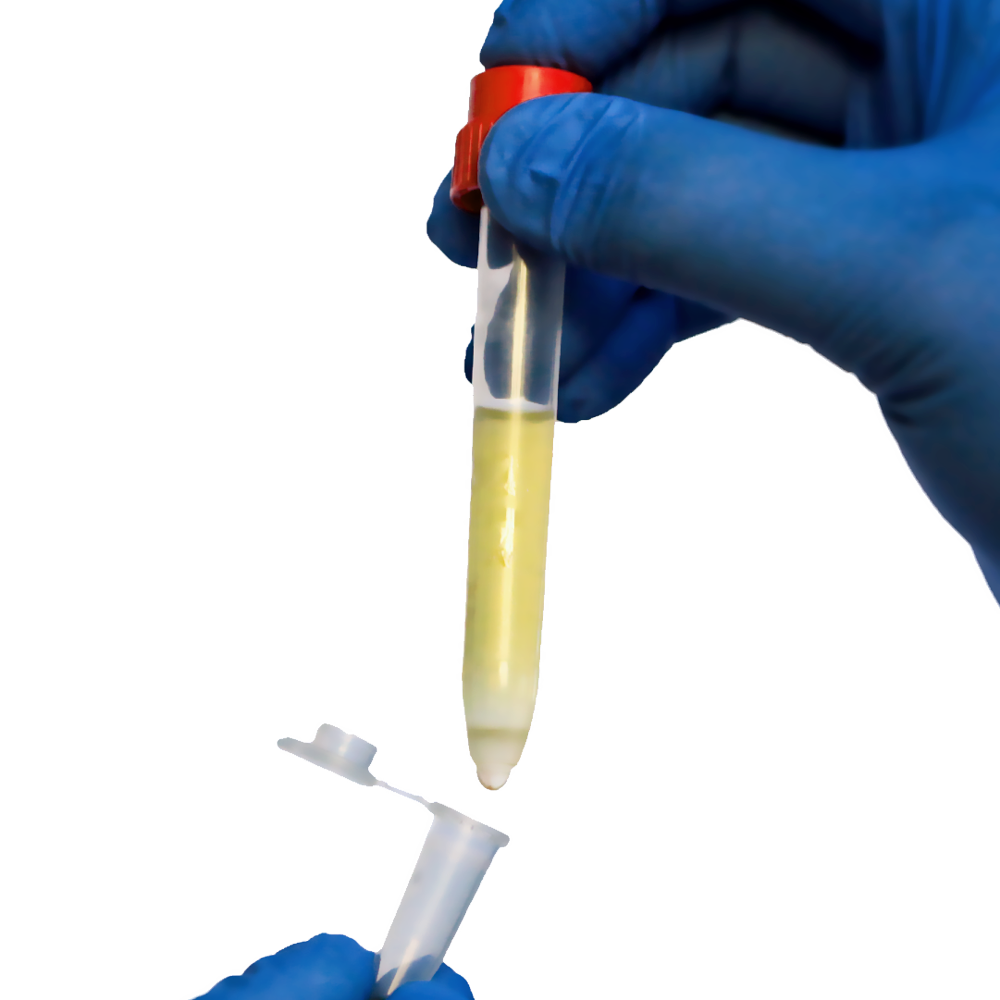
This is where the Pipette-Strainer stands out. It is designed specifically for small-volume filtration using a simple pipette-to-strainer interaction. Instead of transferring samples, setting up tubes, or relying on equipment, the user filters directly through the device with a pipette. This direct, two-way filtration dramatically reduces processing time and simplifies everyday lab tasks.
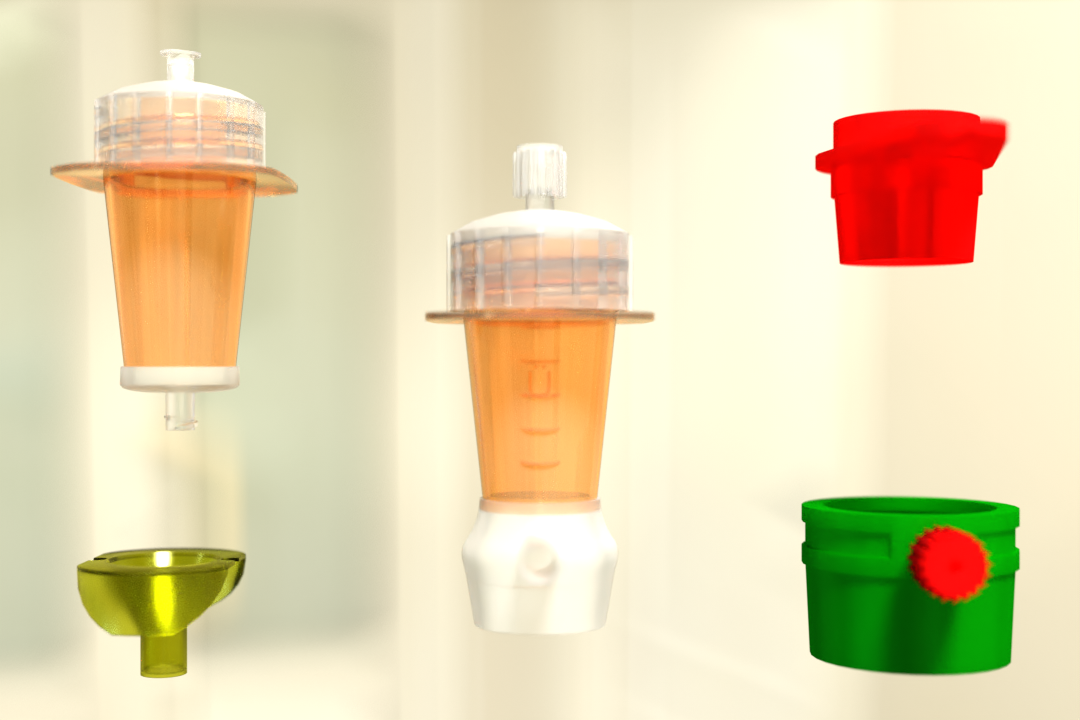
The Pipette-Strainer is built for flexibility, speed, and ease of use. Its design features a perforated elastomer top that holds pipette tips securely and a compact housing with a durable PET mesh. It comes in two versions:
- Pipette-Strainer-T, which fits 1–5 mL pipette tips
- Pipette-Strainer-S, which fits serological pipettes up to 10 mL
Because it supports small-volume filtration without centrifugation, it offers a direct way to streamline routine workflows. As many researchers shift toward more efficient lab practices, the Pipette-Strainer is becoming a go-to device alongside the best Lab Cell Strainers used for larger volumes.
This article explores how the Pipette-Strainer speeds up everyday lab work, how it integrates into modern cell separation technology, and why it supports techniques such as cascade straining and cell enrichment techniques. With its simple operation and reliable performance, it fits naturally into fast-paced laboratories that value efficiency and reproducibility.
1. The Need for Faster Small-Volume Filtration
Small-volume filtration is usually required when preparing samples for downstream processing, removing debris, clarifying suspensions, or isolating specific particle sizes. In cell biology and microbiology workflows, these steps occur frequently throughout the day.
Common challenges with traditional small-volume filtration include:
- Waiting for centrifugation cycles
Even short centrifugation cycles create unavoidable waiting periods, slowing researchers who need fast turnaround during high-throughput or time-sensitive workflows.
- Extra transfer steps
Transferring samples between multiple tubes and strainers adds manual effort, increases the chance of losing material, and interrupts smooth lab workflow.
- Equipment dependency
Shared centrifuges often create bottlenecks, forcing researchers to wait for availability and delaying simple filtration tasks that should move faster.
- Incompatibility with very small volumes
Most standard strainers are designed for larger tubes, making them inefficient and awkward for filtering tiny sample volumes needed in many experiments.
- User fatigue and workflow interruptions
Constant manual handling during repetitive filtration tasks leads to fatigue, breaking workflow rhythm and limiting overall productivity in busy labs.
As laboratories begin handling more samples per day, speed and simplicity have become just as important as accuracy. Devices like the Pipette-Strainer allow researchers to filter directly at the pipette level, eliminating steps that interrupt workflow. This helps maintain continuous sample processing—an advantage often overlooked in discussions about the best Lab Cell Strainers.
2. What Makes the Pipette-Strainer Different
The Pipette-Strainer is built for easy, tool-free use. Its unique structure combines a secure elastomer interface, a rigid polypropylene housing, and a PET mesh—all engineered for reliable two-way filtration.
Key design features include:
- A perforated elastomer top
The elastomer top forms a secure, airtight grip around the pipette tip, giving researchers steady control and smooth, reliable filtration movements.
- Two versions for different pipettes
The T-version fits standard 1–5 mL pipette tips, while the S-version supports larger 10 mL serological pipettes for flexible use.
- Compact mesh surface
Its 0.5 cm² PET mesh filters small suspension volumes efficiently, ensuring fast flow, minimal blockage, and consistent performance in everyday tasks.
- Autoclavability at 121°C
Being autoclavable at 121°C allows repeated sterilization, making the device safe for routine cell culture and sensitive laboratory workflows.
- Polypropylene housing and tray
Durable polypropylene construction ensures chemical resistance, structural stability, and reliable long-term performance across many filtration and sample preparation steps.
What sets the Pipette-Strainer apart is its ability to filter in both directions. You can push the sample through the strainer or pull it through, depending on your workflow needs. This gives researchers more flexibility and control, especially when handling small, dense, or delicate suspensions.
As a result, the Pipette-Strainer brings speed, precision, and ease to a bottleneck step that affects many common laboratory protocols.
3. How the Pipette-Strainer Reduces Dependence on Centrifugation
Centrifugation is reliable, but it is not always practical for small volume filtration—especially when working with tight timelines, high sample counts, or delicate particles.
The Pipette-Strainer reduces the need for centrifugation in several ways:
- Direct pipette-based filtration
Users can filter samples instantly while aspirating or dispensing, removing the need for separate filtration steps and avoiding unnecessary centrifugation cycles.
- No rotor balancing
The device removes the need for arranging tubes symmetrically in a rotor, saving setup time and preventing delays caused by balancing requirements.
- Less sample transfer
Fewer transfers protect precious samples, reducing loss, contamination risks, and handling time while keeping more material available for downstream processes.
- Faster throughput
Filtration proceeds much faster than centrifugation, especially when working with dense suspensions, enabling smoother, more efficient processing of multiple samples.
- Greater flexibility
It adapts easily to various workflows—from routine culture preparation to microplastic analysis—without depending on equipment access or centrifuge scheduling.
The Pipette-Strainer excels particularly in workflows where centrifugation is used only for quick clarification, rather than true density separation. By replacing centrifugation in these cases, researchers avoid delays and free up equipment for procedures that genuinely require it.
This makes a noticeable difference in labs handling routine processes such as particle filtration, micro-sample cleanup, or early-stage preparation for cell enrichment techniques.
4. Supporting Cascade Straining in Small-Volume Workflows
Cascade straining is a valuable technique in workflows that require size-based separation across multiple mesh levels. This method is widely used in cell biology, microplastics research, and industrial particle analysis.
However, cascade straining with traditional Lab Cell Strainers is usually designed for large volumes and cannot easily support micro-volumes. The Pipette-Strainer fills this gap by allowing researchers to scale down cascade straining to small, precise sample sizes.
Ways the Pipette-Strainer supports cascade straining:
- Quick transitions between mesh sizes
Users can move from one Pipette-Strainer to another without transferring the sample to a new container.
- Reduced sample loss
Since the sample is brought directly through each mesh by pipette, small particles remain intact.
- Compatibility with standard lab strainers
Researchers can combine the Pipette-Strainer with larger mesh devices to create multi-stage workflows.
- Suitable for sequential filtration
A simple pipette-driven approach makes it easy to pass a sample through multiple filters in minutes.
This makes the Pipette-Strainer a valuable tool for fine-scale cascade straining workflows. It complements the best Lab Cell Strainers used in larger-scale processes by offering a micro-volume alternative that fits comfortably into fast-paced laboratory routines.
5. Improving Workflow Efficiency With Two-Way Filtration
Two-way filtration is one of the most practical features of the Pipette-Strainer. Instead of relying on gravity alone, researchers can control the filtration direction through pipetting.
This supports productivity in several ways:
- Push-through filtering removes debris quickly.
- Pull-through filtering clarifies suspensions more gently.
- Reversible workflows give users more flexibility for delicate samples.
- Direct control reduces clogging and gives consistent flow behavior.
Researchers often combine this with particle separation techniques to remove unwanted material without altering cell viability. Because the Pipette-Strainer is designed to handle tight meshes and dense material without centrifugation, it fits naturally into workflows that demand both precision and speed.
The ability to operate without large equipment also supports laboratories working under time pressure or with limited bench space. In these settings, handheld filtration becomes a dependable alternative.
6. Applications in Cell Enrichment Techniques and Cell Separation Technology
Although the Pipette-Strainer is primarily used for filtration, it plays an important supporting role in cell enrichment techniques. Many enrichment and Antibody Cell Separation processes require initial steps such as washing, debris removal, or pre-straining.
Ways the Pipette-Strainer enhances these workflows:
- Pre-filtration prevents debris from interfering with magnetic or label-based separation.
- Clarification of dense suspensions improves downstream binding efficiency.
- Gentle handling protects cell surface markers during preparation.
- Fine particle removal enhances the performance of advanced cell separation technology.
In workflows that rely on the density gradient centrifugation principle, the Pipette-Strainer is often used before loading samples onto gradients. This ensures that no debris disrupts layering or interferes with clean separation.
By reducing the need for centrifugation in certain steps and improving consistency in particle removal, the Pipette-Strainer quietly improves the reliability of these more complex techniques.
7. Advantages for Laboratories Using the Best Lab Cell Strainers
Many laboratories already use high-quality Lab Cell Strainers for routine cell preparation or sample filtration. The Pipette-Strainer complements these larger tools by filling a gap in micro-volume applications.
Key advantages include:
- Faster sample turnaround
- More control when working with small volumes
- Reduced operational steps
- Improved handling of viscous or dense samples
- Less dependency on shared equipment
Because it mirrors the core function of standard strainers on a smaller scale, the Pipette-Strainer is easy for researchers to adopt and integrate into their daily routines. It delivers the same reliability but at a higher speed and with less effort.
8. Enhancing Reproducibility and Reducing Handling Errors
Reproducibility is essential in both research and industrial testing environments. Small-volume filtration is particularly prone to variation due to sample loss, inconsistent flow rates, and handling errors.
The Pipette-Strainer reduces these risks by offering:
- A stable interface that holds pipettes securely
- Predictable flow control through manual pipetting
- Minimal sample exposure to open environments
- Reduced risk of spills or contamination
This makes workflows more consistent across different operators and supports laboratories that must meet strict quality, reporting, or regulatory standards.
9. Versatile Use Across Research and Testing Fields
The Pipette-Strainer can be used in many settings where small-volume filtration plays a central role. These include:
- Cell culture preparation
- Primary cell isolation
- Microbial sample cleanup
- Environmental particle testing
- Microplastic fractionation
- Industrial slurry analysis
- Clarification before measurement or staining
- Protein or nucleic acid preparation steps
Its durability, autoclavability at 121°C, and compatibility with a wide range of reagents make it suitable for both routine and specialized workflows.
10. A Practical Addition to Fast-Paced Laboratory Environments
Every lab seeks tools that make daily tasks smoother and reduce effort. The Pipette-Strainer offers this through:
- Simple operation
- Low training requirements
- Compatibility with existing workflows
- Reusable autoclavable design
- Compact size for crowded benches
As research spaces become busier and sample load increases, the Pipette-Strainer helps keep workflows moving without interruptions.
Conclusion
The Pipette-Strainer is a small but powerful tool that brings speed, efficiency, and simplicity to everyday laboratory work. By replacing several traditional steps—especially centrifugation—it eliminates workflow bottlenecks and supports faster sample processing. Its secure elastomer top, two-way filtration design, and compatibility with common pipette sizes make it a practical addition for laboratories that depend on reliable small-volume filtration.
For researchers working with cascade straining, particle separation techniques, or cell enrichment techniques, it offers smooth integration and consistent results. It also complements the best Lab Cell Strainers by extending filtration capabilities to micro-volume samples.
Whether used in cell culture, environmental research, or industrial testing, the Pipette-Strainer reduces handling time, minimizes sample loss, and increases productivity. As laboratories continue to seek efficient and flexible tools, the Pipette-Strainer stands out as an essential device for modern workflows—helping teams process more samples, maintain reproducibility, and meet daily demands with ease. The Pipette-Strainer also supports teams that handle large numbers of small samples, helping maintain consistency across the workflow. Its intuitive design makes it easy for new users to adopt without extensive training. By reducing reliance on busy equipment like centrifuges, it keeps daily operations running smoothly. Many labs appreciate how it simplifies routine tasks while still supporting advanced applications. Overall, the Pipette-Strainer delivers dependable performance that strengthens both daily lab routines and long-term research outcomes.
 English
 French
 German
 Spanish
 Belgium
 Italian
 Brazil
 Chinese Mandarin