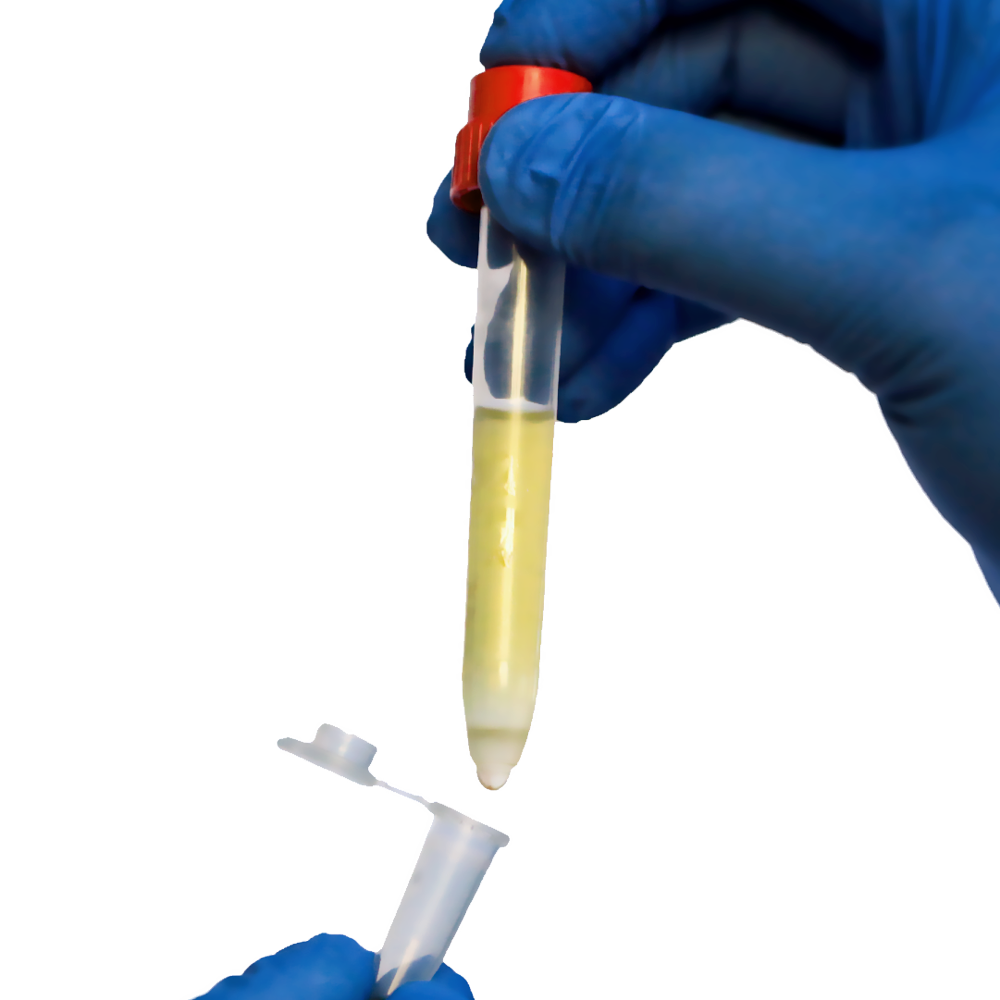
Small-volume sample preparation may seem simple compared to large-scale workflows, but anyone working with cellular assays, molecular biology, or diagnostic samples knows the reality: small volumes are the easiest to lose and the hardest to control. Even experienced researchers find that handling a 1–2 mL suspension requires more precision than processing a 50 mL tube. A slight tilt of the tube, an inconsistent pipetting angle, or a mesh that shifts by a few millimeters can mean lost material, contamination, or poor-quality filtration. And when sample availability is limited—as is often the case with patient-derived samples, rare cell populations, or expensive reagents—every microliter matters.
Traditional lab cell strainer devices were not built with these micro-scale challenges in mind. They work well for larger samples, but their open designs, wide surfaces, and reliance on gravity can lead to evaporation, splashing, clogging, or over-handling. These issues introduce variability and slowdowns in workflows that depend on gentle, consistent sample handling. In settings where reproducibility and purity are essential, even small mechanical inefficiencies can affect downstream results.
This is why many researchers are turning to the Pipette-Strainer, a filtration tool built specifically to address the challenges of small-volume work. It reduces evaporation, prevents sample loss, streamlines handling, and minimizes the risk of spills—all while improving the overall reliability of cell separation and cell enrichment steps. Instead of forcing large-volume tools into small-volume tasks, the Pipette-Strainer offers a workflow designed around precision and control.
In this article, we explore how the Pipette-Strainer solves everyday workflow problems and why it is becoming an essential alternative to standard lab cell strainers.
Why Small-Volume Filtration Requires More Control
When working with micro-scale samples—anything between 1 and 10 mL—three problems appear more often than in large-volume workflows:
1. Sample Evaporation
Small samples evaporate quickly because of their high surface-to-volume ratio. When filtration takes place in open tubes or across exposed meshes, evaporation can begin within minutes. Losing even a small percentage of volume can significantly change sample concentration, affecting sensitive workflows such as RNA extraction, immunology studies, and cell recovery assays.
2. Over-Handling
Small-volume processing involves frequent pipetting, aligning strainers, and transferring material between tubes. Each step increases the chance of contamination, mechanical stress, or accidental loss. Because micro-scale samples offer little margin for error, even minor handling inconsistencies can impact yield, viability, or purity. Reducing manual steps is essential for reliable and reproducible results.
3. Spillage
With tiny sample volumes, even a single droplet lost during transfer can meaningfully reduce the final yield. Moving material from pipette to mesh and then into another tube increases the chance of overflow, splashing, or drips. Such spills disrupt sample concentration and compromise downstream analysis in workflows that require precise measurements.
Traditional filtration tools and cell strainer products were not created for micro-handling. They work well for 50 mL tubes or large tissue suspensions, but their performance drops when the workflow shifts to small volumes.
The Pipette-Strainer solves these limitations using a design made specifically for controlled, gentle, spill-resistant sample processing.
What Makes the Pipette-Strainer Different
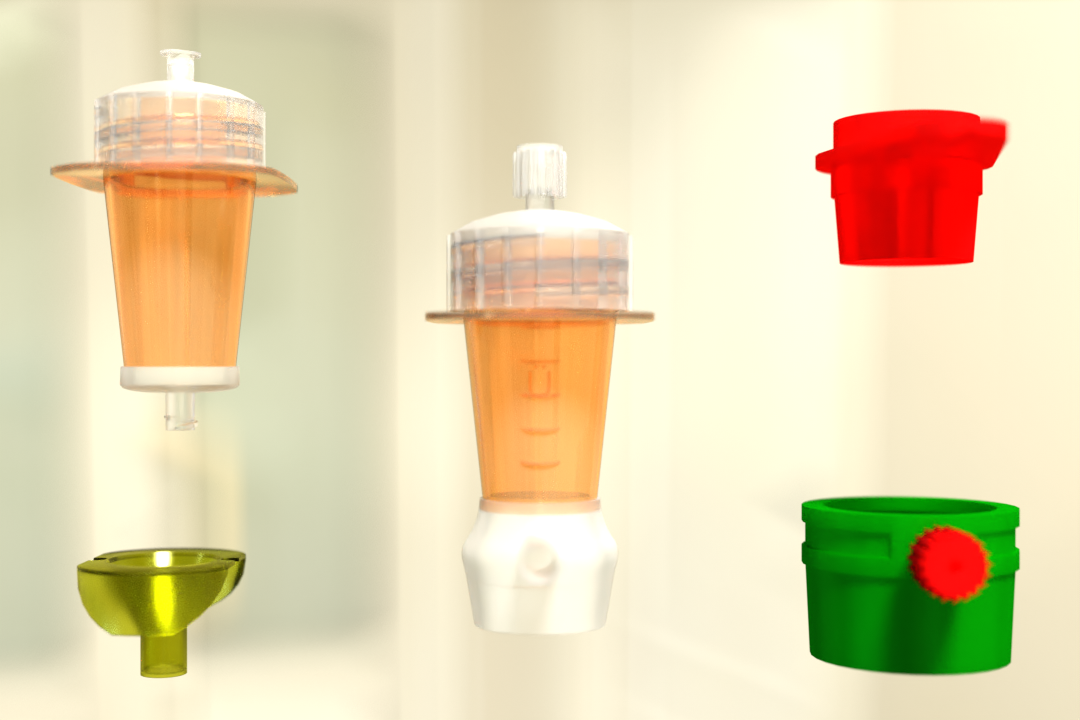
The Pipette-Strainer is a two-way filtration device built for precision. Its main components include:
- A perforated elastomer top that forms an airtight seal around pipette tips
- A polypropylene strainer housing
- A PET mesh available in small pore sizes
- Two versions:
- Pipette-Strainer-T for 1–5 mL pipette tips
- Pipette-Strainer-S for 10 mL serological pipettes
The specially engineered elastomer creates high friction, allowing controlled movements and preventing accidental dislodging of the pipette.
This design not only increases precision but also drastically reduces sample loss.
How the Pipette-Strainer Prevents Sample Evaporation
1. Tight Elastomer Seal Reduces Air Exposure
A major cause of evaporation during small-volume filtration is continuous airflow over the sample, especially when working with open meshes or uncovered tubes. The Pipette-Strainer solves this problem through its tight elastomer seal, which forms a semi-enclosed environment around the pipette tip. This significantly reduces the exposure of the sample to open air, helping maintain volume throughout filtration. It also stabilizes temperature, which is important for evaporation-prone materials such as RNA, single-cell suspensions, or volatile buffers. By preventing concentration shifts and preserving sample integrity, the airtight seal ensures more reproducible results across sensitive molecular and cellular workflows.
2. Faster Filtration Means Less Time in the Open
Conventional lab cell strainer tools rely on gravity filtration, which can be very slow when working with viscous or particulate-rich suspensions. During these long wait times, small samples lose volume as evaporation increases. The Pipette-Strainer eliminates this issue by allowing controlled pressure through pipette-guided filtration. This speeds up the process significantly, reducing the time the sample remains exposed to open air. Faster movement through the mesh also lowers the risk of temperature fluctuations that can alter sensitive biological samples. By minimizing exposure time, the Pipette-Strainer protects sample volume and ensures more reliable filtration outcomes.
3. Stable handling prevents heat transfer
When researchers hold tubes or strainers for extended periods, even mild hand warmth can accelerate evaporation, especially in small liquid volumes. The Pipette-Strainer prevents this problem by reducing the amount of time samples remain in contact with open containers. Because filtration occurs through smooth, pipette-guided steps, the sample moves quickly and efficiently, minimizing heat transfer from the user’s hands. The stable elastomer grip also prevents unnecessary repositioning or shaking, which can further expose the sample to temperature fluctuations. This combination of rapid handling and reduced contact helps maintain consistent sample volumes and improves the reliability of downstream analyses.
How the Pipette-Strainer Stops Spillage During Filtration
1. High-Friction Grip Prevents Slipping
One of the biggest causes of spillage during small-volume filtration is when the pipette tip slips or shifts against the mesh opening. The Pipette-Strainer solves this with a specially engineered elastomer top that creates strong friction against the pipette tip. This secure fit ensures steady, controlled movement during aspiration or dispensing, preventing sudden disconnections that can lead to spills or splashes. Unlike traditional strainers that rest loosely on tubes and require precise manual alignment, the Pipette-Strainer offers a locked-in feel that greatly enhances operator confidence. This grip stability is especially important when dealing with precious or limited samples.
2. Two-Way Filtration Keeps Samples Contained
Traditional mesh strainers require the user to remove the strainer to re-aspirate, reposition the tube, or pour the sample into another container. Every one of these steps introduces spill risk. The Pipette-Strainer eliminates this issue with its two-way filtration ability, allowing the pipette tip to deliver and aspirate directly through the mesh. Because the mesh never needs to be lifted, touched, or shifted during the process, the sample remains contained within the system at all times. This reduces unnecessary movements, prevents liquid from escaping around the edges, and minimizes the chance of accidental tipping or splashing.
3. Stable Placement in Tubes Minimizes Tilting
Many standard cell strainers, such as 40 µm, 70 µm, or 100 µm devices, are designed for larger tubes and often sit on top with minimal stability. This can cause wobbling or tilting, especially when working with only a few milliliters of fluid. The Mini-compatible Pipette-Strainer, however, fits securely into smaller tubes due to its compact structure and precise dimensions. This stable placement ensures that even if the tube is nudged or handled with one hand, the risk of overflow or splashing remains low. Its secure fit also removes the need to constantly hold or steady the strainer during filtration.
4. No Need to Pour Between Containers
Pouring liquid from one container to another is one of the most common, and easily avoidable—sources of spills in laboratory work. With traditional strainers, users often pour the sample onto the mesh or from one tube to another after filtration. The Pipette-Strainer removes this risk entirely because filtration occurs directly through pipette-based handling. There is no balancing of strainers, no careful re-aligning of mesh openings, and no manual pouring required. The sample moves only through the pipette, making the entire process controlled, predictable, and significantly safer. This streamlined workflow saves time while protecting sample integrity.
Reducing Over-Handling Through a Controlled Workflow
1. Pipette-Based Operation Minimizes Touchpoints
Instead of holding a strainer, aligning it, transferring fluid, repositioning it, then pouring—everything happens through a single pipette motion. This eliminates 4–5 unnecessary handling steps.
2. Eliminates Centrifugation for Many Small Suspensions
Centrifugation often requires:
- Tube balancing
- Rotor loading
- Spin time
- Unloading and re-pipetting
The Pipette-Strainer reduces or eliminates this need for certain sample types, simplifying the entire workflow.
3. Protects Cell Integrity
Over-handling can physically stress cells. With gentle pipette-guided filtration, the shear force applied to cells is significantly lower than in:
- Conventional spinning
- Pour-through strainers
- Vortex-assisted resuspension
This is especially beneficial for fragile cell types like primary immune cells.
Why This Matters for Cell Separation and Cell Enrichment
Small-volume filtration is the foundation of many cell separation and cell enrichment workflows. Poor filtration can:
- Reduce purity
- Decrease viable cell counts
- Introduce unwanted debris into assays
- Interfere with magnetic or antibody-based sorting
- Affect flow cytometry performance
By providing a controlled, gentle, low-loss filtration environment, the Pipette-Strainer enhances downstream results without requiring major workflow changes.
Applications that benefit immediately include:
- Immunology assays
- Antibody-based cell labeling
- Single-cell analysis
- Rare cell recovery
- Molecular diagnostics
- Cell preparation for staining
Even researchers who continue using their standard lab cell strainer formats for large volumes benefit from switching to Pipette-Strainer for micro-handling.
The Pipette-Strainer in Daily Lab Use: Practical Examples
Example 1: Filtering Blood-Derived Cells
Blood samples frequently contain fibrin strands, microclots, and residual debris that must be removed before downstream analysis. Using a traditional 40 µm or 70 µm cell strainer often requires pouring the sample, increasing the chance of losing valuable cells or splashing clotted material. The Pipette-Strainer simplifies this process by allowing researchers to aspirate the sample directly through the mesh, eliminating the need to tilt tubes or transfer between containers. This controlled, pipette-guided filtration reduces cell loss, prevents clot-induced splattering, and preserves the integrity of small-volume blood-derived samples, making it highly effective for immunology, diagnostics, and enrichment workflows.
Example 2: Microplastic or particle research
Environmental and microplastic research often involves very small liquid volumes collected from water sources or experimental setups. These samples require gentle filtration to avoid breaking fragile particles or altering their structure. The Pipette-Strainer offers step-by-step pipette-based filtration, which prevents turbulence that can fragment particles or introduce bias into size-based analysis. Its controlled flow ensures that microplastics are retained cleanly on the mesh while finer components pass through correctly. This makes the Pipette-Strainer ideal for studies where particle integrity and consistency are essential, providing a more reliable alternative to traditional pouring-based filtration methods used in microplastic workflows.
Example 3: Removing debris after tissue dissociation
Tissue dissociation often yields small volumes—typically under 5 mL—containing a mixture of cells and debris. Traditional strainers can lead to spills or inconsistent retention of debris, especially when working with delicate cell suspensions. The Pipette-Strainer’s elastomer top forms a stable seal around the pipette, preventing accidental splashing during filtration. Its fine mesh removes unwanted tissue fragments while allowing viable cells to pass through cleanly. This controlled approach results in a more uniform suspension that is better suited for downstream analysis such as flow cytometry, staining, or cell enrichment. The consistent handling also protects cell viability and improves reproducibility.
How the Pipette-Strainer Streamlines Workflow Efficiency
1. Shorter Filtration Time
No waiting for gravity. No centrifugation queues. The pipette drives flow.
2. Fewer Consumables
No need for:
- Extra tubes
- Multiple strainers
- Repeated pipette tip changes
3. Higher Reproducibility
Consistent movements produce consistent filtration across samples.
4. Lower Training Burden
Even new lab workers find the step-by-step pipette-guided method intuitive.
Final Thoughts
Small-volume filtration remains one of the most sensitive stages in laboratory workflows, where even minor inconsistencies can influence the quality of downstream results. While traditional mesh-based tools perform well for larger volumes, they often lack the precision needed for micro-scale samples where evaporation, spillage, and over-handling can significantly impact performance. The Pipette-Strainer bridges this gap by offering a controlled, pipette-guided filtration method that reduces mechanical stress, minimizes sample exposure, and eliminates unnecessary transfer steps.
Its thoughtful design allows researchers to maintain accuracy without sacrificing speed, making it a valuable addition to workflows that depend on consistent sample preparation. Whether the task involves cell enrichment, cell separation, diagnostic assays, or environmental particle analysis, the Pipette-Strainer safeguards sample integrity and reduces opportunities for error. By improving handling efficiency and providing predictable filtration results, it supports a more streamlined and repeatable workflow.
As laboratories face increasing demands for higher throughput, stronger reproducibility, and better resource management, tools that simplify routine processes become essential. The Pipette-Strainer offers a practical, reliable solution that enhances daily operations and helps researchers achieve consistent outcomes. For any lab managing small-volume samples, adopting this tool represents a meaningful step toward more efficient and dependable sample preparation.
 English
 French
 German
 Spanish
 Belgium
 Italian
 Brazil
 Chinese Mandarin