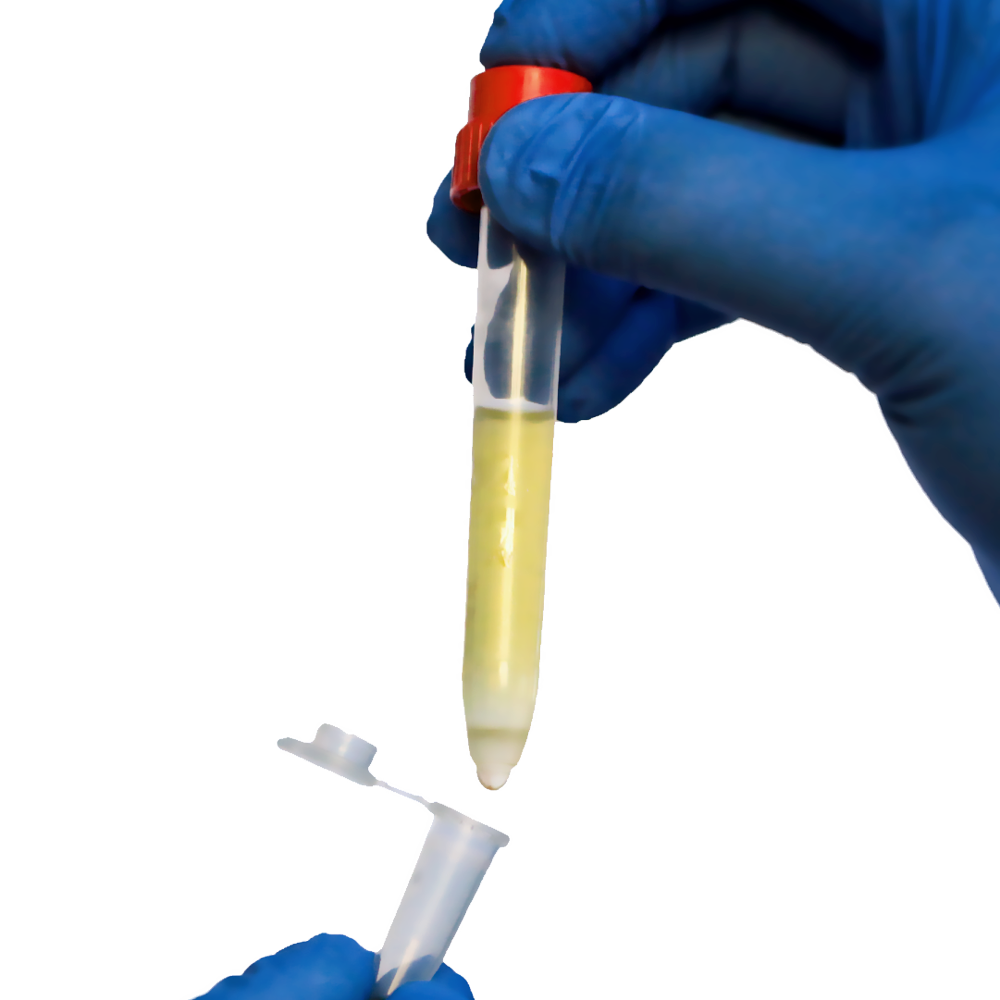
In modern laboratories, precision is everything, especially when working with small sample volumes. Whether it’s flow cytometry preparation, cell labeling, or tissue dissociation, researchers often handle samples in the microliter range where every drop matters. Yet, while workflows have evolved to become more precise and efficient, filtration tools have not always kept up.
Traditional cell strainers are typically designed for larger volumes, often making them inefficient or even impractical for small-scale applications. When working with volumes below 1 mL, researchers frequently encounter issues such as sample loss, inconsistent filtration, and difficulty handling delicate suspensions. In many cases, standard filtration tools introduce more problems than they solve.
Small-volume workflows demand a different approach, one that prioritizes control, efficiency, and minimal sample loss. This is where the Mini Strainer comes in. Designed specifically for low-volume filtration, the Mini Strainer offers a simple yet highly effective solution for preparing clean, single-cell suspensions. Its compact design, compatibility with various lab formats, and range of mesh sizes make it an essential tool for researchers working with limited or valuable samples.
In this article, we explore the challenges of small-volume filtration, why traditional methods fall short, and how the Mini Strainer transforms this critical step into a fast, reliable, and reproducible process.
What Is Small-Volume Filtration in the Lab?
Small-volume filtration refers to the process of filtering samples typically ranging from a few microliters up to around 700–800 µl. These workflows are common in many laboratory applications where sample availability is limited or precision is critical.
Typical use cases include:
- Flow cytometry (FACS) sample preparation
- Cell labeling and staining workflows
- Preparation of primary cell suspensions
- Organoid and tissue digestion workflows
- Blood sample processing
- Pre-filtration before magnetic or fluorescent separation
In these applications, filtration is not just about removing debris, it is about ensuring that the sample is clean, consistent, and suitable for sensitive downstream processes.
Unlike large-volume workflows, small-volume filtration requires:
- Minimal sample loss
- High precision
- Gentle handling
- Consistent results across replicates
Even minor inefficiencies can significantly impact results when working at this scale.
The Hidden Challenges of Filtering Small Sample Volumes
Small-volume filtration presents unique challenges that are often overlooked until they begin affecting experimental outcomes.
Sample Loss During Transfers
When working with limited volumes, every transfer between tubes or devices increases the risk of losing valuable material. Even a small amount of residual liquid left behind can represent a significant percentage of the total sample.
Inconsistent Filtration Performance
Traditional strainers are not optimized for low volumes, leading to uneven flow and incomplete filtration. Some portions of the sample may pass through quickly, while others remain trapped or unevenly distributed.
Handling Difficulties
Manipulating small volumes requires precision. Standard filtration tools are often too large or poorly adapted for micro-scale workflows, making them difficult to use effectively.
Increased Contamination Risk
Multiple handling steps increase the chances of contamination. Open transfers and repeated pipetting expose samples to environmental factors.
Clogging and Flow Issues
Even small amounts of debris can disrupt filtration when working with limited volumes. Without proper design, filters can clog quickly, halting the process.
These challenges make it clear that small-volume filtration requires specialized tools designed for precision and efficiency.
Why Traditional Cell Strainers Fail at Small Volumes
Standard cell strainers were designed with larger volumes in mind. While they perform well in certain contexts, they are not well-suited for small-scale workflows where precision and minimal loss are critical. When working with microliter-scale samples, limitations that are negligible at higher volumes become significant obstacles.
One major issue is size mismatch. Traditional strainers are typically designed to sit on 15 ml or 50 ml centrifuge tubes. This makes them impractical for use with smaller formats such as 1.5 ml tubes, FACS tubes, or well plates. As a result, researchers are often forced to adapt workflows, which can introduce inefficiencies and handling errors. Another important limitation is dead volume. Larger filtration devices tend to retain residual liquid within the mesh or housing. While this may not matter for large samples, in small-volume workflows, even a small amount of retained liquid can represent a significant loss of valuable material.
Additionally, conventional strainers often require:
- Manual placement on tubes
Strainers must be positioned carefully on top of tubes, which can be unstable and require constant adjustment during filtration.
- Multiple transfer steps
Samples often need to be transferred between containers before and after filtration, increasing the risk of loss and contamination.
- Open handling
Filtration typically occurs in an open setup, exposing samples to the environment and increasing contamination risk.
These factors increase workflow complexity and reduce efficiency.
Finally, traditional strainers lack precision control. They are designed for bulk filtration rather than the careful, controlled handling required for small and sensitive samples, making them less reliable for modern low-volume applications.
Introducing the Mini Strainer: Built for Precision Filtration
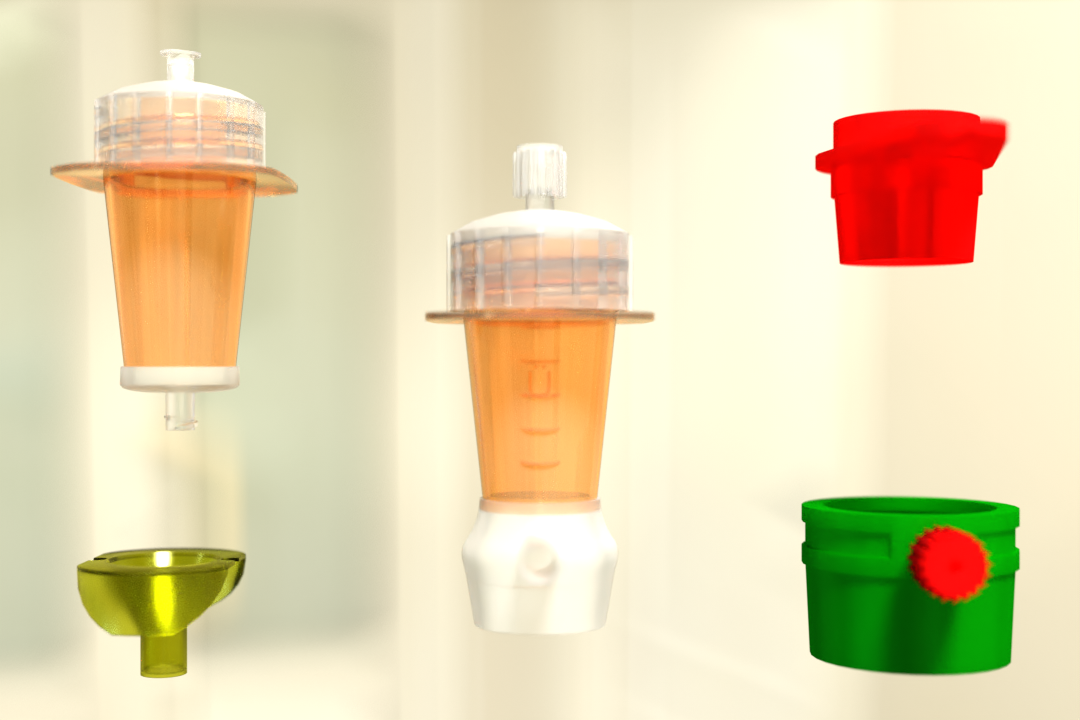
The Mini Strainer is specifically designed to address the limitations of small-volume filtration. Unlike conventional strainers, it is optimized for sample volumes up to 700–800 µl, making it ideal for micro-scale workflows.
Its design allows it to fit into a wide range of laboratory formats, including:
- 1.5 ml and 2.0 ml reaction tubes
- 15 ml centrifuge tubes
- FACS tubes
- Cryo vials
- 24- and 48-well plates
This versatility makes it a universal solution for many laboratory applications. The Mini Strainer is available in multiple mesh sizes ranging from 5 µm to 200 µm, allowing researchers to select the appropriate filtration level for their specific needs.
Key Features That Solve Small-Volume Filtration Problems
The Mini Strainer incorporates several design features that directly address common challenges in small-volume workflows.
Optimized for Small Volumes
Designed specifically for ≤800 µl samples, the Mini Strainer minimizes sample loss and ensures efficient filtration.
1 ml Reservoir Design
The built-in reservoir allows controlled handling of small volumes without overflow or waste.
Wide Range of Mesh Sizes
Available in sizes from 5 µm to 200 µm, it supports both fine and coarse filtration needs.
Gripping Surface for Easy Handling
The ergonomic design improves handling, making it easier to work with small volumes.
Sterile and Ready-to-Use
Each unit is sterile, reducing preparation time and contamination risk.
Replacement for Strainer Caps
The Mini Strainer can replace traditional strainer caps, especially in flow cytometry workflows.
Replacement for Pre-Separation Filters
It can also be used as a pre-filtration step before cell separation techniques.
How Mini Strainer Improves Small-Volume Workflows
The Mini Strainer transforms small-volume filtration into a more efficient, precise, and controlled process, addressing many of the limitations associated with traditional filtration tools.
Direct Filtration Without Transfers
Samples can be filtered directly within the same container, eliminating the need to pour or transfer material between tubes. This not only simplifies the workflow but also significantly reduces the risk of sample loss and contamination. Fewer handling steps mean a more streamlined and reliable process.
Improved Sample Recovery
By minimizing dead volume and avoiding unnecessary transfers, the Mini Strainer ensures that a higher proportion of the original sample is retained. This is especially important when working with limited or precious samples, where even small losses can impact results.
Consistent Filtration Performance
The design of the Mini Strainer supports even distribution of the sample across the mesh surface, allowing for controlled and uniform flow. This consistency leads to reproducible filtration outcomes across multiple samples and experiments.
Reduced Handling Errors
Simplified operation reduces the chances of mistakes during sample preparation. With fewer steps and better control, users are less likely to introduce variability or lose material during the process.
Better Compatibility with Modern Workflows
The Mini Strainer integrates seamlessly into existing laboratory protocols and fits a wide range of tubes and formats. This adaptability allows researchers to enhance their workflows without needing additional equipment or major changes to established procedures.
Applications Where Mini Strainer Excels
The Mini Strainer is suitable for a wide range of applications where small-volume filtration is required. Its design makes it especially useful in workflows where precision, minimal sample loss, and consistent results are essential.
Flow Cytometry (FACS) Preparation
Removes aggregates and ensures smooth sample flow through cytometers. Cell clumps can clog the instrument or produce inaccurate signals, so filtering samples beforehand helps improve data quality and prevents interruptions during analysis.
Cell Suspension Preparation
Helps create uniform single-cell suspensions from tissue or culture samples. By removing aggregates and debris, the Mini Strainer ensures that cells are evenly distributed, which is important for accurate counting, analysis, and downstream experiments.
Blood Sample Cleanup
Removes coagulum, debris, and unwanted particles from blood samples. This results in a cleaner suspension that is more suitable for analytical techniques and reduces interference from non-target material.
Tissue Dissociation Workflows
Supports the preparation of cells from complex tissues such as lymph nodes, pancreas, or other primary tissues. After enzymatic or mechanical dissociation, the Mini Strainer helps separate intact cells from residual tissue fragments.
Pre-Labeling Preparation
Ensures clean samples before magnetic or fluorescent labeling. Removing debris and aggregates improves labeling efficiency and reduces background noise in detection methods.
Organoid and Primary Cell Workflows
Ideal for delicate samples where precision is critical. The gentle filtration process helps preserve fragile cells while producing high-quality suspensions for further study.
Choosing the Right Mesh Size for Your Application
Selecting the correct mesh size is essential for achieving optimal filtration results. The mesh size determines which particles are retained and which pass through, directly affecting both cell recovery and sample purity. Choosing an inappropriate size can either trap desired cells or allow unwanted debris to remain in the sample.
5–20 µm
These smaller mesh sizes are used for fine filtration and the removal of very small debris, dead cells, or particulate matter. They are particularly useful when working with samples that require high purity, such as pre-analytical cleanup before sensitive assays. However, care must be taken to ensure that the target cells are not too large to pass through.
40–70 µm
This range is the most commonly used for standard laboratory workflows, especially in flow cytometry (FACS) preparation. These mesh sizes effectively remove cell aggregates and clusters while allowing most individual cells to pass through. They provide a good balance between maintaining cell recovery and ensuring a clean, single-cell suspension.
100–200 µm
Larger mesh sizes are ideal for coarse filtration, such as removing large tissue fragments or undigested material after tissue dissociation. These are often used as a first filtration step before finer filtering.
Choosing the right mesh size ensures that target cells pass through efficiently while unwanted material is removed, resulting in cleaner, more consistent samples for downstream applications.
Mini Strainer vs Traditional Filtration Methods
Comparing Mini Strainer with traditional methods highlights its advantages.
Traditional Methods:
- Designed for large volumes
- High sample loss
- Multiple handling steps
- Poor compatibility with small tubes
- Limited control
Mini Strainer:
- Optimized for small volumes
- Minimal sample loss
- Direct filtration
- Compatible with multiple formats
- Consistent and reproducible
The difference lies in precision, efficiency, and usability.
Conclusion
Small-volume filtration is a critical yet often underestimated step in laboratory workflows. When working with limited samples, even minor inefficiencies can lead to significant losses, reduced data quality, and inconsistent results. Traditional filtration tools, designed for larger volumes, often fall short in meeting the demands of micro-scale applications.
The Mini Strainer offers a solution tailored specifically to these challenges. By combining compact design, versatile compatibility, and precise filtration control, it allows researchers to process small volumes efficiently without sacrificing sample integrity. From flow cytometry preparation to tissue dissociation and cell labeling, the Mini Strainer supports a wide range of applications where precision and reliability are essential. Its ability to minimize sample loss, reduce handling steps, and deliver consistent results makes it an invaluable tool for modern laboratories.
As research continues to move toward more precise and data-driven workflows, tools like the Mini Strainer play a crucial role in ensuring that sample preparation keeps pace with innovation.
 English
 French
 German
 Spanish
 Belgium
 Italian
 Brazil
 Chinese Mandarin