Modern life science research is increasingly moving toward small-volume, high-precision workflows. From single-cell analysis to targeted molecular assays, researchers are working with limited sample volumes where every microliter counts. In these settings, even minor inefficiencies in sample preparation can lead to significant data variability, reduced cell recovery, or compromised experimental outcomes.
One of the most overlooked steps in these workflows is filtration. Whether removing aggregates before flow cytometry or preparing samples for molecular analysis, filtration plays a critical role in ensuring sample quality. However, traditional filtration tools are often designed for larger volumes, making them poorly suited for micro-scale applications. This mismatch creates a range of challenges, sample loss, inconsistent filtration, and increased handling steps, all of which can negatively impact downstream processes.
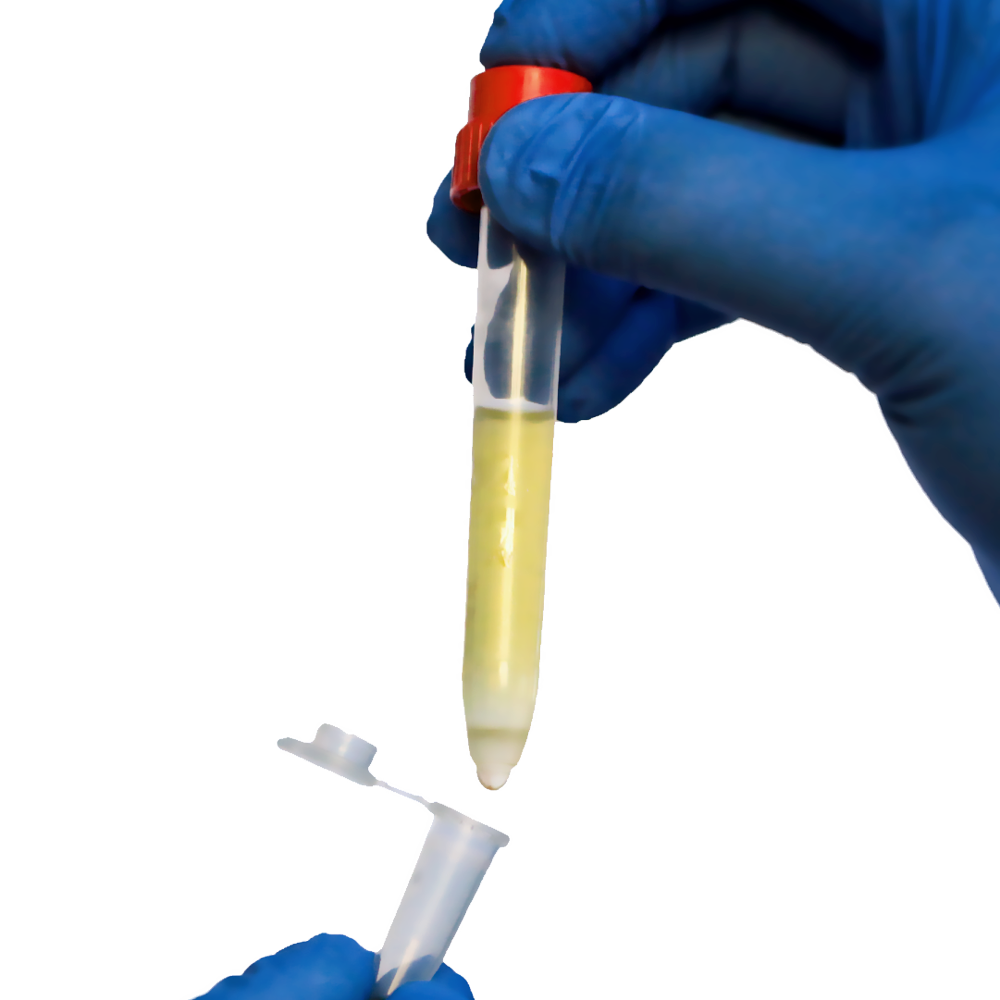
To address these issues, specialized tools like the Mini-Strainer-Aid have emerged. Designed specifically for small-volume workflows, it enables efficient filtration, minimal sample loss, and seamless integration into modern laboratory protocols.
In this article, we explore how Mini-Strainer-Aid supports a wide range of applications from FACS preparation to molecular analysis and why it has become an essential tool for precision-driven research.
What Is Mini-Strainer-Aid and Why It Matters
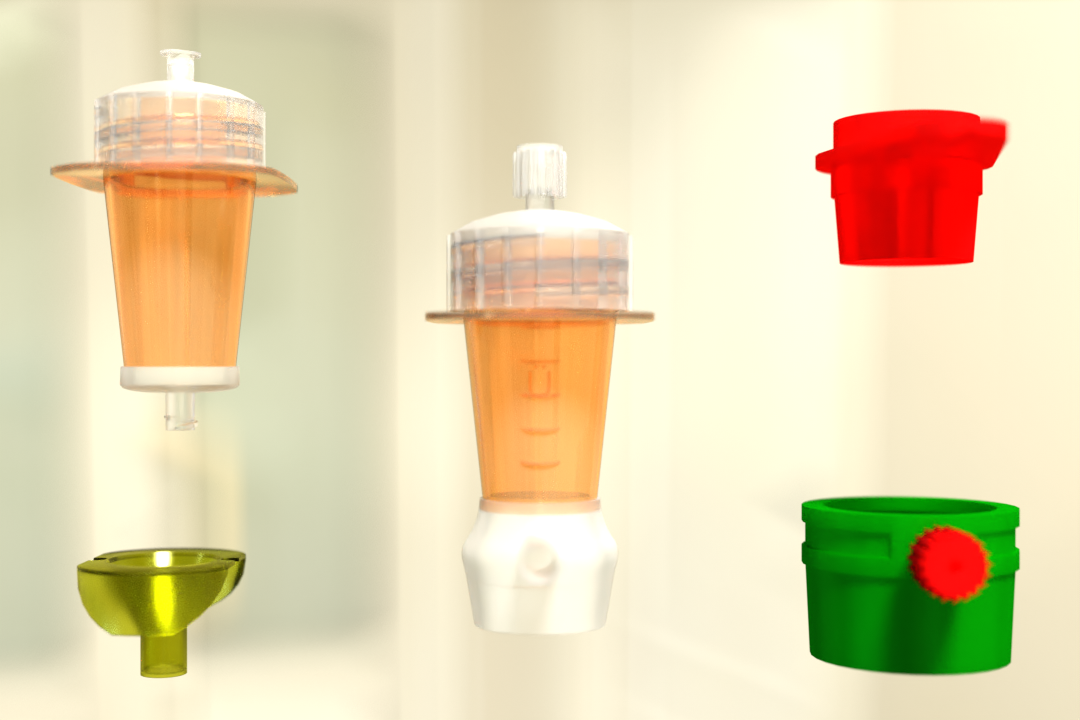
The Mini-Strainer-Aid is a small-volume filtration device specifically designed to handle sample volumes typically below 1 mL. Unlike traditional strainers that are built for larger-scale workflows, it is optimized for micro-scale laboratory formats, including reaction tubes, FACS tubes, cryo vials, and multi-well plates. This makes it particularly well-suited for modern research environments where precision and efficiency at low volumes are essential.
At its core, the purpose of Mini-Strainer-Aid is simple but critical: to remove unwanted particles, cell aggregates, and debris while preserving as much of the original sample as possible. In small-volume workflows, even minor losses or inconsistencies during filtration can significantly affect experimental outcomes, making this balance between cleanliness and recovery extremely important.
This becomes especially relevant in workflows where:
- Sample availability is limited
When working with precious or scarce samples, such as patient-derived material or rare biological specimens, losing even a small fraction can impact the entire experiment.
- Cell populations are rare
In applications like rare cell detection or enrichment, preserving every viable cell is crucial for accurate analysis.
- Downstream assays are highly sensitive
Techniques such as flow cytometry, PCR, or sequencing require clean and consistent input samples. Residual debris or aggregates can interfere with measurements and reduce data reliability.
By enabling controlled, low-loss filtration, Mini-Strainer-Aid ensures that samples remain clean, consistent, and representative of their original composition. This helps maintain sample integrity from the earliest preparation steps all the way through to final analysis, supporting more reliable and reproducible results across a wide range of applications.
Challenges in Small-Volume Sample Preparation
Working with small volumes introduces challenges that are often underestimated. At the microliter scale, minor inefficiencies that might go unnoticed in larger workflows can have a significant impact on sample quality, yield, and experimental outcomes.
Sample Loss During Transfers
Every transfer between tubes, pipettes, or filtration devices leads to residual liquid being left behind on surfaces. In large-volume workflows, this loss is negligible, but at microliter volumes, even a few microliters can represent a substantial percentage of the total sample. This becomes especially problematic when working with rare or limited material.
Cell Aggregates and Debris
Aggregates commonly form during tissue dissociation, enzymatic digestion, or routine cell culture handling. In addition, samples may contain debris such as dead cells or extracellular material. These clusters can interfere with accurate cell counting, distort analytical results, and clog sensitive instruments like flow cytometers.
Handling Limitations
Standard laboratory tools are often designed for larger volumes and lack the precision required for micro-scale workflows. This makes it difficult to manipulate small samples without introducing variability. Tasks such as filtration, mixing, or transferring become more error-prone at this scale.
Contamination Risk
Repeated handling steps and open transfers increase exposure to environmental contaminants. When working with small volumes, even minimal contamination can have a disproportionate effect on experimental results.
Impact on Downstream Applications
Poor sample preparation can negatively affect multiple downstream processes, including:
- Flow cytometry accuracy, where aggregates and debris interfere with signal detection
- Cell culture consistency, where uneven suspensions affect growth conditions
- Molecular assay sensitivity, where contaminants reduce the reliability of PCR or sequencing results
These challenges highlight the need for specialized tools designed specifically for small-volume workflows, where precision, minimal loss, and consistency are critical.
Why Traditional Filtration Tools Fall Short
Traditional filtration tools are not built for small-scale applications. They were originally designed for workflows involving larger sample volumes and simpler handling requirements, which makes them less suitable for modern micro-scale research.
They are typically designed for:
- Larger volumes (10–50 mL or more)
Most conventional strainers are optimized for bulk liquid handling, where small losses or inefficiencies are less noticeable.
- Bulk filtration workflows
These tools prioritize processing large amounts of material quickly rather than maintaining precision at low volumes.
- Gravity-based systems
Filtration is often driven by gravity alone, offering limited control over flow rate and consistency, especially problematic for small or delicate samples.
As a result, they present several limitations:
Size Incompatibility
Standard strainers are not designed to fit securely with small tubes, microcentrifuge tubes, or well plates. This mismatch forces researchers to adapt their setup, which can lead to instability, inefficient filtration, or increased handling complexity.
High Dead Volume
Larger filtration devices tend to retain liquid within their mesh or housing. In small-volume workflows, this residual liquid can represent a significant portion of the sample, leading to noticeable loss and reduced recovery.
Multiple Handling Steps
Traditional methods often require transferring samples between containers before and after filtration. Each step increases the risk of sample loss, contamination, and variability, especially when working with limited volumes.
Limited Precision
These tools are designed for throughput rather than accuracy. They lack the fine control needed for micro-scale workflows, where careful handling and consistency are critical.
Together, these limitations make traditional filtration tools inefficient for modern research needs, particularly in workflows that demand precision, minimal loss, and reproducibility at small volumes.
Key Features of Mini-Strainer-Aid
Mini-Strainer-Aid addresses the common challenges of small-volume filtration through a design that focuses on precision, flexibility, and ease of use. Each feature is tailored to support workflows where even minor inefficiencies can impact results.
Compatibility Across Formats
Mini-Strainer-Aid is engineered to integrate seamlessly with a variety of commonly used lab formats, including:
- 1.5 ml and 2.0 ml tubes for routine micro-scale handling
- FACS tubes for flow cytometry preparation
- Cryo vials for storage and sensitive sample processing
- 24- and 48-well plates for parallel or high-throughput workflows
This broad compatibility allows researchers to use the same device across multiple applications without changing setups or introducing additional tools.
Wide Mesh Size Range
Available in multiple pore sizes, Mini-Strainer-Aid supports both fine and coarse filtration. Researchers can select the appropriate mesh size depending on whether they need to remove small debris, larger aggregates, or specific particle ranges, ensuring optimal filtration for each application.
Low-Volume Optimization
Unlike conventional strainers, Mini-Strainer-Aid is specifically designed for small sample volumes. Its structure minimizes dead volume and ensures efficient passage of liquid, helping preserve as much of the original sample as possible.
Sterile and Ready-to-Use
Each unit comes sterile and ready for immediate use, eliminating preparation steps and reducing the risk of contamination. This is particularly beneficial in sensitive workflows such as molecular analysis or cell-based assays.
Easy Handling Design
Ergonomic features, including a practical gripping surface, make it easier to handle small volumes with precision. This improves user control and reduces the likelihood of handling errors.
Together, these features make Mini-Strainer-Aid a versatile, efficient, and reliable solution for small-volume filtration, supporting consistent and high-quality results across a wide range of laboratory applications.
Application 1: Flow Cytometry (FACS) Preparation
Flow cytometry requires clean, single-cell suspensions.
The Problem:
Cell aggregates can:
- Clog cytometers
- Produce inaccurate readings
- Disrupt flow stability
How Mini-Strainer-Aid Helps:
- Removes aggregates efficiently
- Produces uniform suspensions
- Ensures smooth instrument operation
The result is more accurate, reproducible data.
Application 2: Single-Cell Suspension Preparation
Preparing single-cell suspensions is essential for many workflows.
Challenges:
- Tissue fragments after dissociation
- Cell clumping
- Inconsistent distribution
Mini-Strainer-Aid Solution:
- Filters out debris and aggregates
- Produces uniform suspensions
- Preserves cell viability
This is especially useful for:
- Primary cells
- Organoids
- Stem cell research
Application 3: Blood and Clinical Sample Processing
Blood samples often contain unwanted materials such as:
- Coagulum
- Debris
- Aggregated cells
These can interfere with analysis.
Mini-Strainer-Aid Benefits:
- Removes unwanted particles
- Produces cleaner suspensions
- Improves downstream assay reliability
This is critical for both research and clinical workflows.
Application 4: Pre-Enrichment and Cell Separation Workflows
Before performing cell separation techniques, samples must be clean.
Why This Matters:
- Aggregates reduce separation efficiency
- Debris interferes with labeling
Mini-Strainer-Aid Role:
- Prepares samples for magnetic or fluorescent labeling
- Improves binding efficiency
- Enhances enrichment outcomes
This step is crucial for antibody-based cell separation workflows.
Application 5: Molecular Analysis and Downstream Assays
Molecular workflows demand high-quality samples.
Common Issues:
- Debris affecting RNA/DNA extraction
- Contaminants interfering with PCR
Mini-Strainer-Aid Advantages:
- Removes interfering materials
- Produces cleaner input samples
- Improves assay sensitivity
Applications include:
- PCR and qPCR
- RNA sequencing
- DNA extraction
Clean samples lead to more reliable molecular data.
Benefits Across the Workflow
Mini-Strainer-Aid provides consistent advantages across a wide range of applications, making it a valuable addition to modern laboratory workflows where precision and efficiency are essential.
Improved Sample Recovery
Mini-Strainer-Aid is specifically designed to minimize sample loss during filtration. By reducing dead volume and eliminating unnecessary transfers, it ensures that a greater proportion of the original sample is retained. This is particularly important when working with limited, expensive, or rare samples where every microliter counts.
Reduced Handling Steps
The device simplifies the filtration process by allowing direct use within existing containers. Fewer transfers between tubes mean fewer steps overall, which not only saves time but also reduces the likelihood of errors during sample preparation. This streamlined approach improves workflow efficiency, especially in high-throughput settings.
Enhanced Reproducibility
Consistent filtration conditions lead to more reliable and repeatable results. By removing variability introduced through manual handling and inconsistent techniques, Mini-Strainer-Aid helps ensure that samples are processed uniformly across experiments and operators.
Lower Contamination Risk
With fewer open handling steps and a more contained filtration process, the risk of environmental contamination is significantly reduced. This is critical for sensitive applications such as molecular analysis or cell-based assays, where even minor contamination can affect outcomes.
Seamless Workflow Integration
Mini-Strainer-Aid fits easily into existing laboratory protocols without requiring additional equipment or major changes. Its compatibility with standard lab formats allows researchers to adopt it quickly while maintaining their established workflows.
These combined benefits make Mini-Strainer-Aid a practical, reliable, and efficient tool for small-volume research, supporting better outcomes across the entire experimental pipeline.
Conclusion
As research continues to move toward precision-driven, small-volume workflows, the importance of efficient sample preparation cannot be overstated. Filtration, though often overlooked, plays a central role in ensuring sample quality and experimental success.
Traditional filtration tools, designed for larger volumes, are no longer sufficient for the demands of modern laboratory work. They introduce inefficiencies, increase sample loss, and limit reproducibility, especially when working at the microliter scale.
The Mini-Strainer-Aid offers a solution tailored specifically to these challenges. By enabling controlled, low-loss filtration across a wide range of applications from FACS preparation to molecular analysis, it supports cleaner samples, more reliable data, and more efficient workflows. Its versatility, ease of use, and compatibility with modern lab formats make it an essential tool for researchers working with limited or valuable samples. In a research landscape where precision matters more than ever, tools like Mini-Strainer-Aid ensure that sample preparation keeps pace, delivering consistency, efficiency, and confidence at every step.
 English
 French
 German
 Spanish
 Belgium
 Italian
 Brazil
 Chinese Mandarin