Filtration becomes harder when sample volumes grow, and it becomes even harder when multiple particle sizes must be separated from the same sample. Many labs still rely on single-mesh formats such as a Cell Strainer, followed by pouring or transferring the sample into the next device. While this works for simple workflows, it becomes slow, messy, and prone to sample loss when the volume is small or when several filtration levels are needed. In cell-focused environments, the earliest step in Cell separation technology is almost always debris removal, and in enrichment workflows that involve Antibody Cell Separation, this early filtration step must stay consistent, gentle, and fast.
A mesh cascade, also called cascade straining, lets researchers filter a sample through multiple mesh sizes in sequence, moving from coarse to fine filtration levels. The aim is simple: remove larger debris first so the smaller target particles reach the right mesh layer without clogging it. The problem, however, is that traditional cascades require multiple containers, repeated transfers, balancing, and manual alignment, making filtration the slowest part of sample preparation instead of the fastest.
What Is the pluriStrainer Maxi?
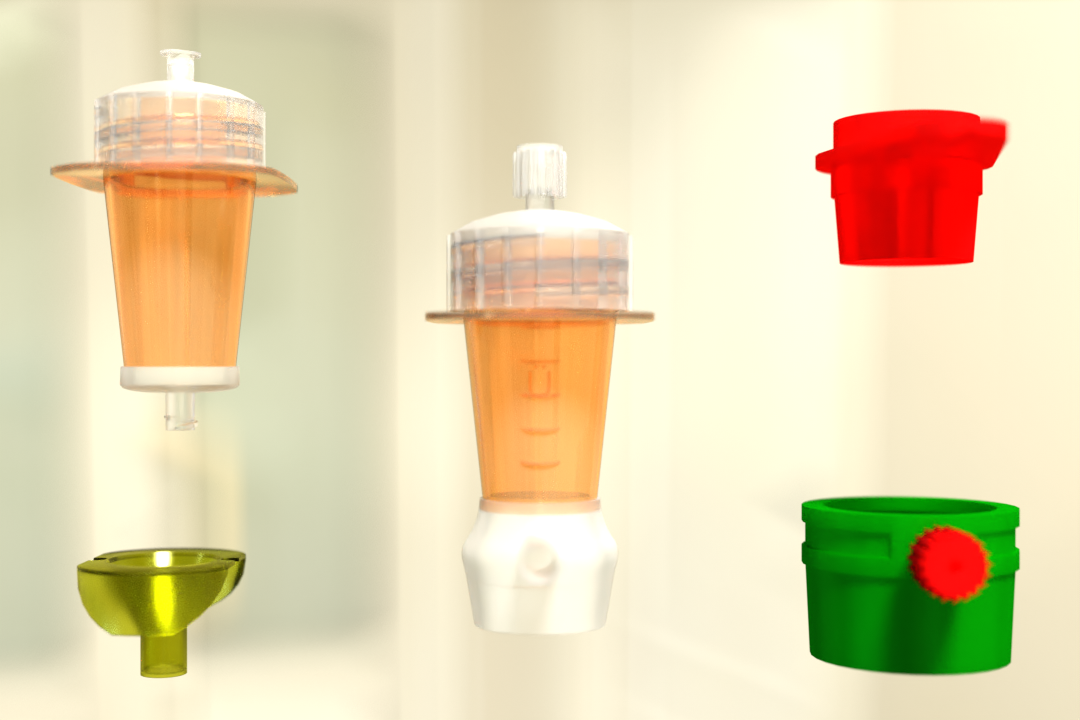
The pluriStrainer Maxi is a bottle-top filtration system designed to sieve volumes greater than 100 mL and up to more than 10 liters. It is available in 13 mesh sizes ranging from 5 µm to 2,000 µm. These mesh sizes are color-coded for quick recognition, allowing researchers to make size decisions faster without checking labels repeatedly. The cap fits directly onto GL45 laboratory bottles, and with screw adaptors, it can also connect to GL32 and GL80/GL80 wide-mouth bottles. This means labs do not need to change containers before filtration. The same bottle that holds the sample also feeds the strainer cascade.
The Maxi system also includes a built-in port for low-pressure or syringe-based pressure assistance, which speeds filtration when the sample is viscous, dense, or debris-rich. A funnel can be attached to extend the reservoir volume when pouring larger batches at once. Most importantly, the device was built for stackability, meaning multiple mesh layers can be arranged vertically, allowing the sample to move from one mesh layer to the next without being touched or transferred manually.
Why Mesh Cascades Matter for Cell and Particle Workflows
Large-volume research workflows often deal with highly mixed sample types:
- River or seawater that contains sand, soil, plant debris, and microplastic fragments
- Tissue digests that contain both cell clusters and large debris
- Agricultural extracts that carry fiber, sediment, and suspended debris
- Blood-derived cell preps that must be cleared gently before labeling or enrichment
When such samples are filtered through a single lab cell strainer, debris blocks the mesh surface quickly. Smaller particles may not reach the
mesh layer intended for them. Cell clusters can be lost. Layering becomes uneven. Density separation fails. The workflow pauses.
A mesh cascade prevents these slowdowns by removing larger debris first and allowing smaller target particles or cells to pass progressively into the finer meshes below. This protects the final mesh layer from clogging and ensures the sample reaches the correct filtration stage.
This method also supports Cell enrichment techniques because it allows researchers to split clusters into size-based fractions. It supports Antibody Cell Separation workflows by clearing debris that could disrupt binding or labeling. And it supports labs working in Cell separation technology fields by creating cleaner, more reproducible inputs for downstream analysis.
How pluriStrainer Maxi Makes Mesh Cascades Simpler
The Maxi system changes multi-stage filtration in 5 structural ways:
1. Vertical Mesh Stacking (No Transfers)
Multiple mesh sizes are stacked directly onto the same bottle. The sample moves downward through each mesh in a single aligned flow. There is no need to pour or move the sample into the next container.
2. Low-Pressure or Syringe Assistance
A Luer-lock port allows connection to gentle pressure systems. Instead of waiting for gravity alone, low pressure improves flow rates and keeps the suspension moving steadily through each layer.
3. Funnel Attachment for Bigger Loads
A funnel increases the reservoir volume temporarily. This reduces manual refilling steps when working with dense or debris-rich environmental or tissue digests.
4. Bottle Compatibility for Easy Integration
The system screws onto GL45 bottles and adapts to GL32 and GL80 formats. Researchers don’t need special bottles or new tubes. It fits the bottles labs already own.
5. Mesh Recognition Made Faster
The 13 mesh sizes are color-coded. This removes guesswork and label-checking, helping researchers assemble cascades faster when multiple sizes are needed.
Step-by-Step Setup: Mesh Cascade with pluriStrainer Maxi
Here is a practical, repeatable setup for labs filtering small or large suspensions:
Step 1: Plan Your Mesh Sequence
Start with the largest debris size you want to remove, not the smallest particle you want to collect. This protects the smaller mesh layers from clogging.
Common cascade sequences include:
- 500 → 100 → 40 µm for environmental or tissue debris
- 400 → 70 → 20 µm for cluster fractionation
- 1000 → 200 → 40 µm when isolating smaller microplastics or cells
- 70 → 40 µm for bone-marrow or tissue cluster preps
- 100 → 70 → 40 µm when preparing samples for flow cytometry
Step 2: Stack the Maxi Devices Vertically
Each pluriStrainer Maxi screws onto the next. Align the color-coded mesh sizes from coarse to fine. Attach the cascade to a sterile receiving tube or bottle at the end.
Step 3: Pre-Rinse Each Mesh Layer
Rinse with sterile buffer or PBS to remove residual particles from manufacturing and ensure the mesh surface is clean before sample contact begins.
Step 4: Load the Sample
Pour the sample into the funnel or draw it directly from the vessel if low pressure is attached. The sample should move downward through each mesh layer in a single flow path.
Step 5: Optional—Use Low Pressure for Dense or Viscous Samples
Attach a syringe or low-pressure pump to the Luer-lock port. Pull gently to assist flow. This prevents clog pauses that are common with gravity-only filtration.
Step 6: Recover Size-Based Fractions if Needed
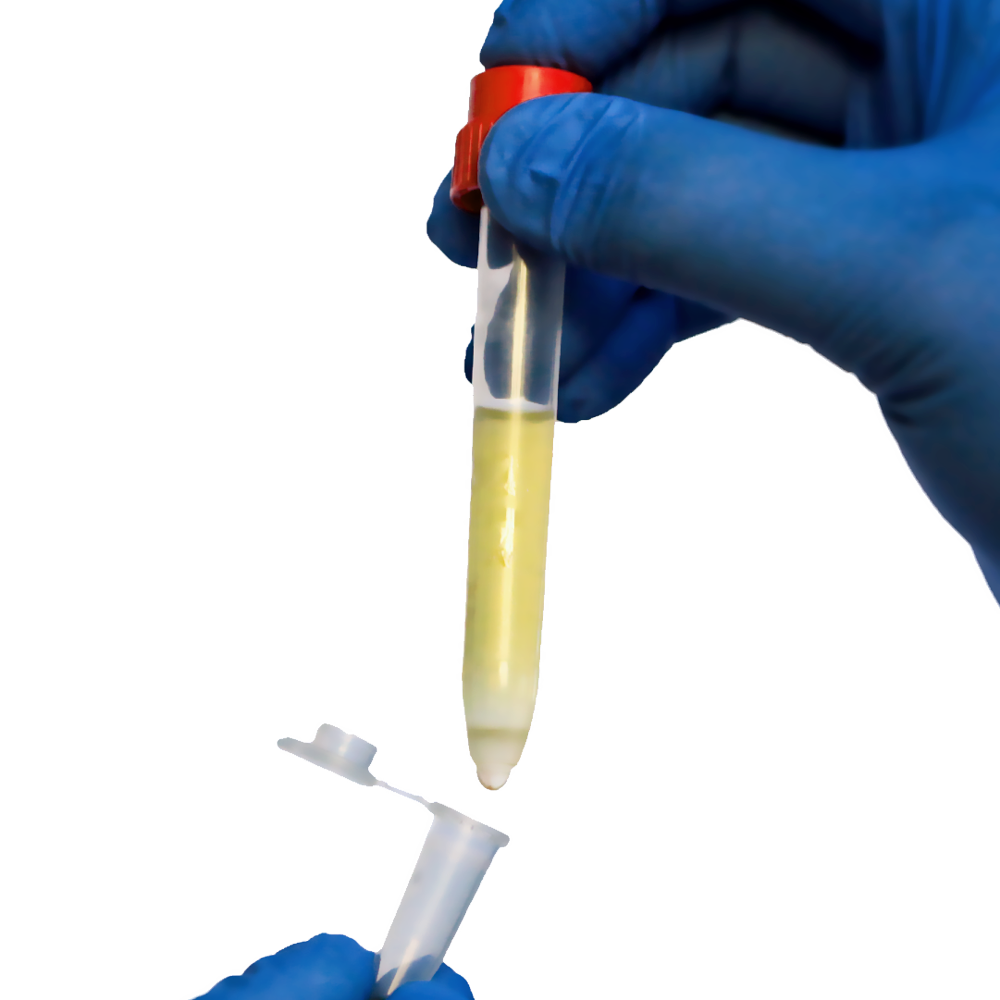
Once filtered, researchers can invert the top mesh layer, flush back into a new 50 mL tube, and recover the larger fraction if cluster fractionation is needed.
Step 7: Deliver the Final Flow-Through
The sample arrives clean, filtered, and intact in the receiving tube or vessel—no sample transfers were required.
Conclusion
Multi-stage filtration should never be the slowest step in sample preparation. With the pluriStrainer Maxi, it becomes one of the fastest. By stacking mesh layers vertically and allowing samples to move through them in a single flow path, the device eliminates container transfers and pouring steps, which traditionally cause sample loss and contamination risk. This directly supports workflows in Cell separation technology and Cell enrichment techniques by protecting cell integrity and reducing interruptions. It also integrates well upstream in Antibody Cell Separation setups, where preliminary debris removal ensures smoother binding and cleaner flow-through reuse.
For labs processing 1–10 mL cell or particle suspensions, or even multi-liter environmental batches, the Maxi system protects the final mesh layer from clogging by enabling cascade straining in one setup. The low-pressure port allows syringe or pump assistance for denser suspensions, meaning the sample stays intact, volume-stable, and bead-free. When combined with smaller sterile Lab Cell Strainers for micro-handling, labs can standardize workflows across volumes without workflow drift or equipment queues.
 English
 French
 German
 Spanish
 Belgium
 Italian
 Brazil
 Chinese Mandarin