Cell separation is one of the most important steps in modern life science research. Whether researchers are studying immune responses, developing cell-based therapies, investigating disease mechanisms, or performing molecular analysis, the quality of the isolated cell population directly influences the reliability of the final results. While considerable attention is often given to achieving high purity and good recovery, another equally important factor is sometimes overlooked: the condition of the cells after isolation.
Cells that remain in their natural, unmodified state are often referred to as untouched cells. Unlike cells that have been directly labeled, captured, or manipulated during isolation, untouched cells retain their original biological characteristics. This makes them more suitable for many downstream applications where maintaining normal cell behavior is essential.
As research techniques become increasingly sophisticated, the quality of starting cell populations has become just as important as the separation process itself. Researchers are no longer looking only for isolated cells—they need cells that behave as naturally as possible throughout the experiment.
This article explains why untouched cells often produce better downstream results, how cell manipulation can influence experimental outcomes, and why negative cell isolation has become an increasingly valuable strategy for modern research.
What Are Untouched Cells?
Untouched cells are target cells that remain free from direct labeling or capture during the isolation process. Instead of binding to the desired cells, the separation method removes unwanted cell populations, allowing the cells of interest to remain unchanged.
This approach differs from many traditional cell isolation methods, where the target cells are directly recognized by antibodies, magnetic particles, or other capture systems. While these methods can provide highly purified populations, they also involve direct interaction with the cells that will eventually be analyzed or cultured.
With untouched cell isolation, the desired cells remain in the original sample while unwanted populations are selectively removed. Because the target cells are not directly manipulated, they maintain their natural surface characteristics and biological behavior.
This distinction becomes particularly important when researchers plan to perform experiments that depend on normal cellular function rather than simply obtaining a purified population.
Untouched cells are commonly preferred for applications involving:
- Cell culture
- Functional assays
- Immune response studies
- Flow cytometry
- Gene expression analysis
- Cell signaling research
In these applications, preserving natural cell characteristics often contributes to more reliable and biologically meaningful results.
Why Cell Quality Matters After Isolation
Successful cell separation involves more than recovering a sufficient number of cells. The overall quality of those cells determines how well they perform in downstream experiments.
Several characteristics contribute to cell quality.
Cell Viability
Viable cells are essential for experiments involving cell culture, proliferation studies, and functional testing. Isolation procedures that minimize stress and unnecessary manipulation help preserve cell health throughout the workflow.
High viability also reduces variability between experiments and supports more reproducible research outcomes.
Natural Cell Function
Cells constantly respond to changes in their environment. Excessive handling or direct manipulation during isolation may influence how cells behave afterward.
Researchers studying immune responses, cytokine production, or cellular activation often require cells that continue to function as they would under normal physiological conditions.
Maintaining natural cellular behavior allows experiments to more accurately reflect biological processes.
Preserving Surface Markers
Many downstream techniques rely on the detection of cell surface proteins.
If these markers become occupied, altered, or difficult to access after isolation, subsequent analyses may become more complicated. Preserving the natural availability of surface markers helps improve flexibility for additional staining, phenotyping, and characterization.
Experimental Consistency
Consistent starting material leads to more reproducible experimental results.
When isolated cells maintain similar viability, purity, and biological characteristics across different experiments, researchers can compare results with greater confidence.
This consistency becomes especially important during long-term research projects involving multiple operators or repeated experiments.
Reliable Downstream Performance
The condition of isolated cells affects virtually every downstream application.
High-quality cells generally support:
- Better culture performance
- More accurate flow cytometry
- Reliable molecular analysis
- Improved functional assays
- Consistent immune cell studies
Rather than viewing cell separation as an isolated procedure, many laboratories now consider it the first step toward generating dependable experimental data.
How Cell Manipulation Can Affect Downstream Experiments
Every cell isolation method interacts with cells differently. While many technologies achieve excellent separation efficiency, the degree of manipulation during the isolation process can influence the condition of the final cell population.
Changes to Surface Marker Availability
Some isolation methods rely on antibodies that bind directly to surface proteins on the target cells.
Although this enables highly specific isolation, it may temporarily occupy certain surface markers that researchers later wish to analyze. Depending on the experimental design, this can limit flexibility for downstream staining or characterization.
Altered Cellular Responses
Cells are dynamic and continuously respond to external stimuli. Extensive handling or repeated processing steps may influence normal cellular activity before experiments even begin.
For researchers investigating immune function or cellular signaling, maintaining cells in their natural state is often important for obtaining representative results.
Increased Processing Stress
Repeated centrifugation, multiple washing procedures, and additional handling steps may increase physical stress on cells.
While most cells tolerate routine laboratory procedures well, minimizing unnecessary manipulation helps preserve overall cell quality, particularly when working with sensitive or limited samples.
Greater Workflow Variability
Complex isolation procedures introduce additional opportunities for differences between operators. Small variations in incubation times, washing techniques, or handling methods may contribute to inconsistencies between experiments.
Simpler workflows often reduce this variability while improving reproducibility.
Impact on Downstream Applications
The effects of cell manipulation may not become apparent until later stages of research.
Researchers may observe differences in:
- Cell growth
- Functional responses
- Cytokine production
- Phenotypic analysis
- Molecular profiling
Although these differences are often subtle, they can influence data interpretation, particularly in studies requiring highly consistent cell populations.
For this reason, many laboratories now place greater emphasis on preserving the natural characteristics of isolated cells rather than focusing solely on purity or recovery. Maintaining untouched cells provides a strong foundation for downstream applications where biological accuracy and experimental consistency are equally important.
Why Negative Cell Isolation Preserves Natural Cell Characteristics
One of the main reasons researchers choose negative cell isolation is that it allows the desired cells to remain untouched throughout the separation process. Instead of binding directly to the target cells, this approach selectively removes unwanted cell populations, leaving the cells of interest in their natural state.
Because the target cells are not captured or labeled, they retain many of the characteristics that are important for downstream experiments.
Preserved Cell Phenotype
The phenotype of a cell refers to its observable characteristics, including the expression of surface proteins that are commonly used for identification and analysis. Negative cell isolation helps preserve these characteristics by avoiding direct interaction with the target cells.
This allows researchers greater flexibility when performing additional staining or phenotyping after cell separation.
High Cell Viability
Reducing unnecessary manipulation helps maintain healthy and viable cells. This is particularly valuable for experiments involving cell culture, proliferation studies, or long-term functional analysis where cell health directly affects experimental success.
Natural Functional Responses
Many studies aim to understand how cells respond under normal biological conditions. Cells that remain untouched during isolation are more likely to preserve their natural behavior, allowing researchers to investigate immune responses, cytokine production, and cellular interactions with greater confidence.
Greater Experimental Flexibility
Because target cells remain unmodified, the same isolated population can often be used across multiple downstream applications without concerns about previous labeling or capture methods influencing the results.
These advantages make negative cell isolation an attractive option whenever preserving the biological characteristics of the target cells is a priority.
How pluriSpin® Produces Untouched Cell Populations
pluriSpin® is designed specifically for negative cell separation, providing researchers with a practical method for isolating untouched cell populations from whole blood, buffy coat, cord blood, and similar sample materials.
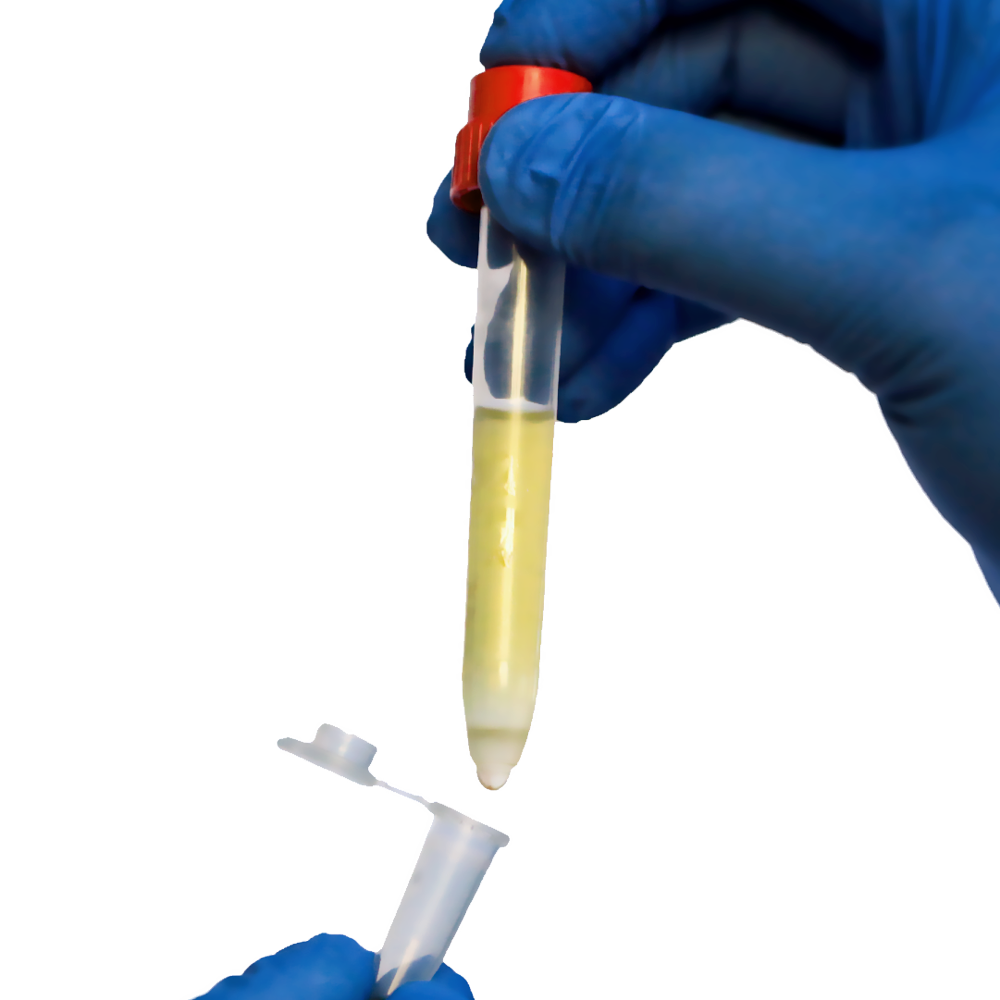
Rather than targeting the desired cells, pluriSpin® labels the unwanted cell population using antibody-coated particles. The sample is then processed through density gradient centrifugation, where the labeled unwanted cells separate with the red blood cells while the desired cells remain enriched at the interface above the density gradient medium.
This simple but effective approach provides several important advantages.
No Direct Labeling of Target Cells
Because the cells of interest are never directly bound by antibodies or separation particles, they retain their natural surface characteristics and remain suitable for sensitive downstream applications.
No Magnets or Separation Columns
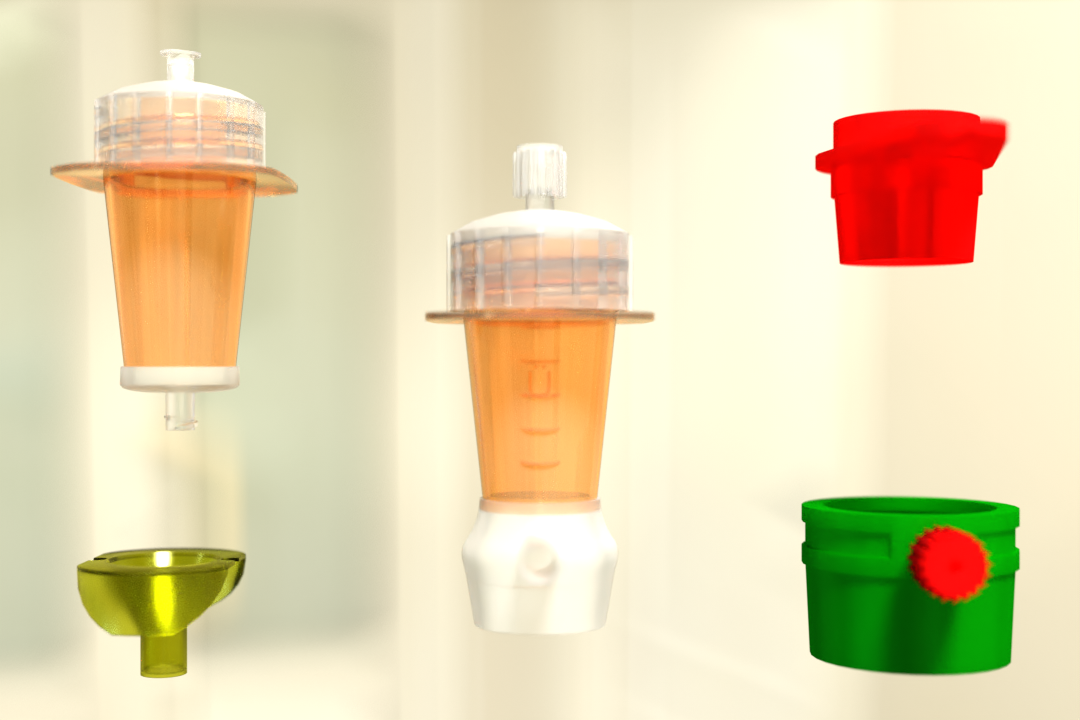
Unlike many conventional separation systems, pluriSpin® does not require magnetic separators or specialized columns. Researchers can perform the workflow using standard laboratory centrifugation equipment, making implementation straightforward and accessible.
Compatibility with Standard Density Gradient Protocols
The technology integrates easily with commonly used density gradient centrifugation procedures, allowing laboratories to adopt the workflow without significant changes to existing protocols.
High Cell Viability
The simplified workflow and reduced handling help support excellent cell viability throughout the separation process, allowing researchers to obtain healthy cell populations for subsequent analysis.
Broad Research Applications
pluriSpin® supports the isolation or depletion of various cell populations, making it useful across a wide range of immunology and cell biology studies.
By combining negative cell isolation with density gradient centrifugation, pluriSpin® provides an efficient way to obtain untouched cells while maintaining workflow simplicity and reproducibility.
Research Applications That Benefit from Untouched Cells
Many downstream techniques rely on cells behaving as naturally as possible. Untouched cell populations are therefore valuable across numerous research areas.
Flow Cytometry
Flow cytometry often requires additional antibody staining after cell isolation. Because untouched cells have not been directly labeled during separation, researchers have greater flexibility when designing staining panels and analyzing cell populations.
Cell Culture
Healthy, unmodified cells are well suited for short- and long-term culture experiments. Preserving natural cell characteristics helps researchers evaluate cellular behavior under conditions that more closely resemble physiological processes.
Functional Assays
Functional studies investigate how cells respond to various stimuli, drugs, or environmental conditions. Untouched cells provide a more reliable starting point for measuring proliferation, cytokine production, activation, and other biological responses.
Gene Expression and Molecular Analysis
Researchers performing RNA sequencing, gene expression studies, or other molecular analyses benefit from cell populations that closely represent their original biological state. Minimizing manipulation during isolation helps support meaningful molecular data.
Immunology Research
Understanding communication between immune cells requires populations that retain their natural characteristics. Untouched cells allow researchers to investigate immune mechanisms with reduced concern that the isolation process itself has influenced cellular behavior.
Across these applications, preserving natural cell quality contributes to more consistent and biologically relevant experimental outcomes.
Best Practices for Maintaining Cell Quality Throughout the Workflow
Although negative cell isolation helps preserve untouched cells, careful sample handling throughout the workflow remains equally important.
Researchers can further improve cell quality by following several practical recommendations.
Process Samples Promptly
Whenever possible, samples should be processed soon after collection to reduce changes in cell viability and biological characteristics.
Prepare Clean Cell Suspensions
Removing debris and aggregates before isolation supports more efficient separation and improves the overall quality of the starting material.
Minimize Unnecessary Handling
Reducing repeated centrifugation, excessive pipetting, and unnecessary transfer steps helps limit physical stress on cells.
Follow Recommended Washing Procedures
Proper washing removes unwanted contaminants while maintaining the integrity of the enriched cell population.
Maintain Appropriate Laboratory Conditions
Using recommended buffers, temperatures, and centrifugation settings supports consistent isolation performance and helps preserve cell health throughout the workflow.
Combining careful sample handling with an appropriate negative cell isolation strategy provides the best opportunity to obtain high-quality untouched cells for downstream applications.
Why Researchers Choose pluriSelect for Negative Cell Isolation
At pluriSelect, we develop practical technologies that simplify cell separation while helping researchers maintain the quality of their isolated cell populations.
Researchers choose pluriSelect because we provide:
Application-Specific Solutions
Our products are designed to address specific cell isolation challenges while supporting reliable downstream research.
User-Friendly Workflows
Technologies such as pluriSpin® integrate easily into standard laboratory procedures without requiring magnets, columns, or specialized equipment.
High Manufacturing Standards
All products are manufactured according to strict quality standards to support consistent and reproducible results.
Comprehensive Cell Separation Portfolio
In addition to antibody-supported technologies, our portfolio includes filtration systems, density gradient solutions, and sample preparation tools that support complete cell separation workflows.
Scientific Expertise
As a biotechnology company specializing in cell and protein separation, we continue to develop innovative solutions that help researchers focus on scientific discovery rather than workflow complexity.
Conclusion
The quality of isolated cells extends far beyond purity alone. Cell viability, natural phenotype, functional behavior, and experimental consistency all influence the success of downstream applications. Preserving these characteristics has become increasingly important as research moves toward more sophisticated cellular and molecular analyses.
Negative cell isolation provides an effective way to obtain untouched cell populations by removing unwanted cells while leaving the target cells unmodified. This approach helps preserve natural cell characteristics that are essential for applications such as flow cytometry, cell culture, functional assays, and gene expression studies.
By combining the advantages of negative cell isolation with a simple density gradient-based workflow, pluriSpin® enables researchers to obtain viable, untouched cells without magnets, columns, or complicated procedures. For laboratories seeking reliable and reproducible downstream results, maintaining cells in their natural state is an investment that continues to deliver value throughout the entire research workflow.
 English
 French
 German
 Spanish
 Belgium
 Italian
 Brazil
 Chinese Mandarin