Filtration is a common step in laboratory sample preparation. It can help remove unwanted particles, cell aggregates, or other material before a sample moves to the next stage of an experiment. While filtration of large volumes often receives more attention, small-volume samples can also create practical challenges.
When only a few milliliters of liquid need to be processed, researchers may still need to transfer the sample, position a separate filtration device, filter the material, and then move the filtered sample into another container. Each individual step may take only a short time, but repeated handling can add up across many samples.
Small volumes can also be more difficult to handle efficiently. Losing even a small amount of material during multiple transfers can matter when the available sample is limited. Additional handling can also increase the number of steps involved in sample preparation.
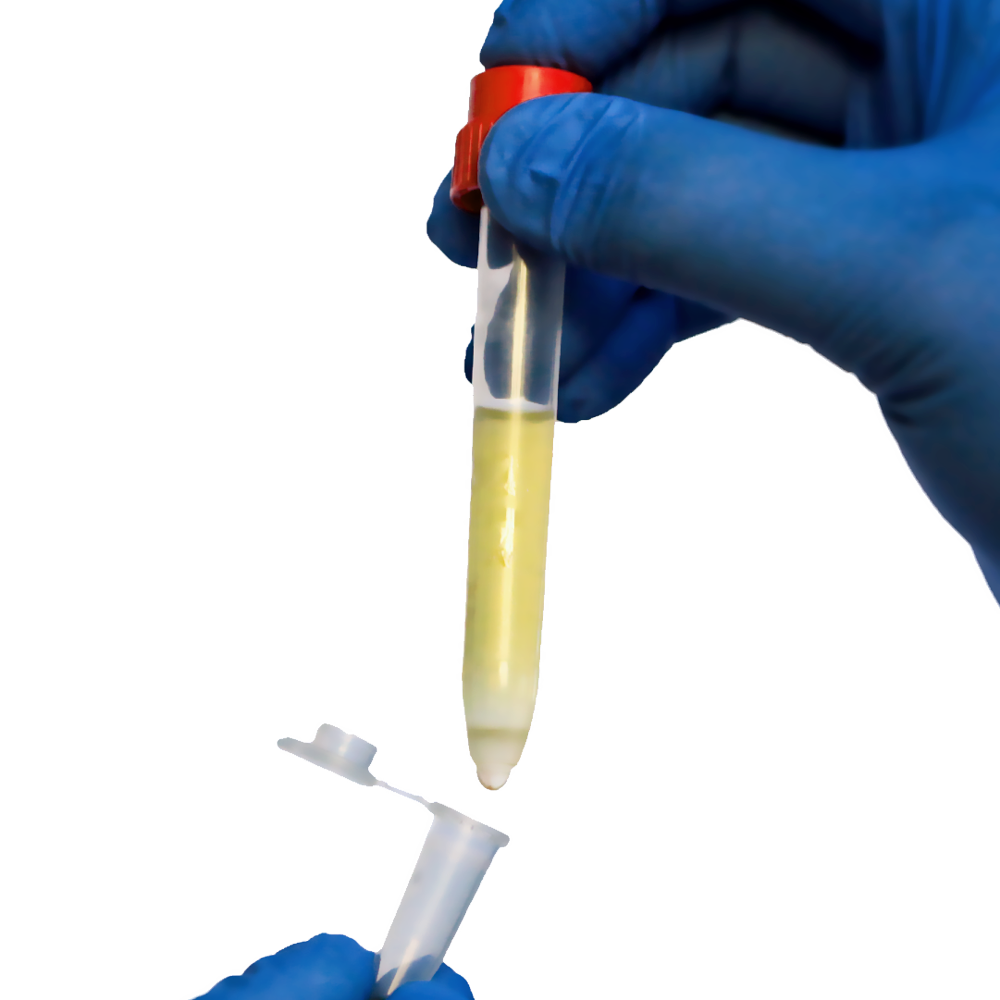
The Pipette-Strainer is designed to address this type of workflow. It combines pipetting and filtration into a single setup, allowing small-volume samples to be filtered during transfer. Rather than requiring filtration as a completely separate stage, the device brings the filtration step closer to the point where the sample is already being handled. This can help researchers reduce unnecessary transfers and make routine small-volume filtration more straightforward.
Understanding the Pipette-Strainer Design
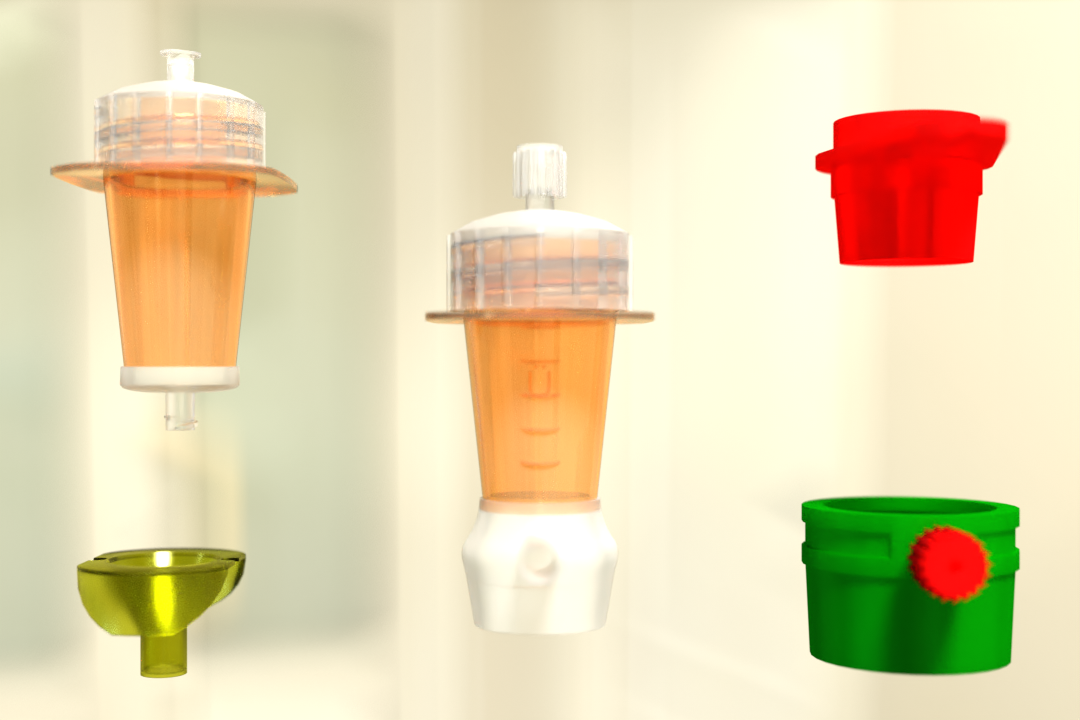
The Pipette-Strainer is designed as a two-way filtration device for small-volume samples. Instead of requiring a separate filtration setup, it combines a strainer housing with a perforated elastomer top that works directly with pipettes. This design places the filtration step close to where the sample is already being transferred, making it easier to incorporate filtration into routine sample handling.
The device is available in two versions to accommodate different pipetting requirements. The Pipette-Strainer-T is designed for standard pipette tips with volumes from 1 to 5 mL. It is suited to workflows where researchers routinely handle small sample quantities with standard laboratory pipettes. The Pipette-Strainer-S, on the other hand, is designed for serological pipettes with a volume of up to 10 mL. This provides an option for workflows that involve somewhat larger small-volume samples or use serological pipettes for routine transfers.
Having two configurations allows researchers to select a Pipette-Strainer based on the equipment already used in their laboratory. Instead of changing the sample-transfer method or setting up a separate filtration system, researchers can choose the version that corresponds to their pipette.
The two-way filtration design is also central to how the device fits into sample processing. The perforated elastomer top connects the pipette and the strainer housing, creating a direct path between sample transfer and filtration. This means the researcher does not necessarily need to first transfer a sample into another container and then perform a separate filtration step.
This can be particularly useful when working with limited sample volumes. When only a few milliliters are available, every additional transfer creates another handling step. Keeping filtration close to the pipetting process can make the movement of the sample more direct and reduce the need for separate equipment.
The design can also support more organized processing when multiple small-volume samples need to be handled. Researchers can select the appropriate Pipette-Strainer version, connect it to the relevant pipetting setup, and use the same basic approach across samples.
Rather than treating filtration as an independent stage, the Pipette-Strainer makes it part of the sample-transfer process. This design approach can help laboratories simplify small-volume workflows while keeping the filtration step closely connected to the way samples are already handled.
How Pipette-Strainer Reduces Hands-On Filtration Steps
One of the simplest ways to reduce filtration time is to reduce the number of separate steps required to complete it. A conventional small-volume workflow may involve moving a sample from its original container into a filtration device, allowing the liquid to pass through, and then transferring the filtered material to another container. Every transfer requires additional handling.
The Pipette-Strainer takes a different approach. Because the filtration device is designed to work with the pipette, the sample can be handled and filtered as part of the same process. For small-volume samples, this can be particularly useful. Researchers do not necessarily need to set up a separate filtration vessel simply to process a few milliliters of liquid. The reduction in transfers can also make the workflow easier to repeat. When many samples need to be processed, eliminating unnecessary steps can reduce the amount of hands-on work required for each sample.
This does not mean that every filtration workflow will take the same amount of time. Sample characteristics, the material being filtered, and the chosen pipette can all influence processing time. However, simplifying the physical movement of the sample removes some of the routine handling that can slow small-volume workflows.
The Pipette-Strainer therefore addresses filtration time from a workflow perspective. Instead of focusing only on how quickly liquid passes through a filter, it considers how many steps researchers need to perform before and after filtration.
Improving Filtration Efficiency in Small-Volume Workflows
Filtration efficiency is not simply about how quickly liquid passes through a filter. In a laboratory setting, an efficient workflow should also reduce unnecessary handling and fit naturally into the way samples are collected, transferred, and processed. This becomes particularly important when working with small-volume samples, where setting up a separate filtration stage may require more handling than the sample itself. The Pipette-Strainer is designed to integrate filtration into the pipetting process. Instead of treating filtration as a completely separate operation, researchers can incorporate it directly into sample transfer. This can help shorten the path between the starting sample and the next stage of processing.
The two available configurations allow researchers to match the device to their existing pipetting method. The Pipette-Strainer-T is designed for standard pipette tips with volumes from 1 to 5 mL, while the Pipette-Strainer-S is intended for serological pipettes with a capacity of up to 10 mL. Selecting the appropriate version allows the filtration step to fit into the equipment and sample volumes already used in the laboratory.
This can be especially useful when processing multiple small samples. With a conventional setup, each sample may need to be transferred into a separate filtration device before the filtered material is collected for further use. Although each transfer may seem minor, repeating these steps across a large number of samples can increase hands-on time.
The Pipette-Strainer provides another approach by bringing the filtration point closer to the pipetting step. Researchers can process the sample without having to build a larger filtration setup for a relatively small volume. This can make the workflow easier to organize, particularly when filtration is a routine part of sample preparation. The device can also be useful when researchers want to limit unnecessary sample movement. Small-volume samples can be more sensitive to losses during repeated transfers because even a small amount of material may represent a meaningful portion of the available sample. Keeping the transfer and filtration steps closely connected can help create a more direct workflow.
However, filtration requirements vary between applications. Researchers should consider the sample characteristics, required filtration conditions, and intended downstream use when deciding how to process a sample. The Pipette-Strainer is particularly suited to workflows where small-volume filtration needs to be incorporated into pipetting rather than handled as a separate operation.
By combining these steps, the Pipette-Strainer can help laboratories create a more direct and manageable approach to routine small-volume filtration.
Where Pipette-Strainer Fits Best in Small-Volume Sample Preparation
The Pipette-Strainer is most useful when filtration needs to be incorporated directly into the handling of a small-volume sample. Rather than adding a separate filtration stage, researchers can bring filtration into the existing pipetting workflow.
1. Filtering Samples During Routine Transfers
- Small-volume samples often need to be filtered before they move to the next stage of an experiment.
- With a conventional workflow, this may involve transferring the sample into a separate filtration device and then collecting the filtered material.
- The Pipette-Strainer allows filtration to take place as part of the pipetting process.
- This can reduce the number of separate handling steps required for routine sample preparation.
- The approach is particularly practical when researchers already use pipettes to transfer their samples.
2. Processing Small Quantities Without a Large Filtration Setup
- Not every laboratory sample requires a large filtration system.
- When only a few milliliters need to be processed, setting up a larger filtration device may add unnecessary preparation.
- The Pipette-Strainer is designed specifically around small-volume processing.
- The Pipette-Strainer-T works with standard pipette tips for volumes from 1 to 5 mL.
- The Pipette-Strainer-S is designed for serological pipettes with volumes of up to 10 mL.
- Researchers can therefore select the version that matches the scale and pipetting method of their workflow.
3. Reducing Transfers When Sample Volume Is Limited
- Sample loss becomes more important when only a small amount of material is available.
- Moving a sample between multiple containers creates additional opportunities for material to remain behind in the original vessel or transfer equipment.
- Integrating filtration with pipetting can reduce some of these movements.
- This creates a more direct route from the original sample to the filtered material.
- For workflows involving valuable or limited samples, reducing unnecessary transfers can make sample handling easier to manage.
4. Supporting Repeated Small-Volume Processing
- Laboratories may need to process many small samples rather than one large volume.
- In such workflows, even a short additional step can become significant when repeated across numerous samples.
- A separate filtration setup for every sample can increase preparation and handling time.
- The Pipette-Strainer can be incorporated into the existing pipetting procedure, making the filtration step part of the same workflow.
- This can help create a more consistent approach to routine small-volume sample processing.
5. Preparing Samples Before the Next Experimental Step
- Filtration is often not the final objective. It may simply prepare a sample for another laboratory process.
- Researchers may need to remove unwanted particles or other material before continuing with their experiment.
- In these situations, the filtration step should ideally fit smoothly into the overall workflow rather than becoming a separate operation that requires additional transfers.
- The Pipette-Strainer provides an option when filtration needs to occur during small-volume sample transfer.
- Once filtration is complete, the sample can continue to the next stage of the established workflow.
6. Choosing the Right Tool for the Scale of the Application
- Laboratory efficiency depends partly on matching equipment to the actual requirements of the task.
- A large filtration system may be appropriate for high-volume processing, but it may not be necessary for a sample measured in only a few milliliters.
- Using a separate setup for very small volumes can introduce additional preparation and handling.
- The Pipette-Strainer is designed for situations where small-volume filtration needs to be combined with pipetting.
- This makes its main application clear: simplifying filtration when the sample volume is small and pipetting is already part of the workflow.
7. When Another Filtration System May Be More Appropriate
- The Pipette-Strainer is not intended to replace every type of laboratory filtration device.
- Larger sample volumes may require filtration systems designed specifically for higher throughput.
- Some applications may also have filtration requirements that call for a different device or setup.
- Researchers should therefore consider the sample volume, filtration requirements, and downstream application before selecting a filtration method.
- The value of the Pipette-Strainer lies in its specific fit with small-volume workflows, where combining pipetting and filtration can reduce unnecessary handling.
Overall, the Pipette-Strainer is best suited to laboratories where small-volume samples need to be filtered during routine pipetting. By matching the filtration method to the scale of the sample, researchers can avoid adding a larger or more complicated filtration stage when a direct pipette-based approach is sufficient.
Conclusion
Small-volume filtration does not always require a complicated setup, but it can become time-consuming when researchers need to perform several separate transfers and filtration steps. The Pipette-Strainer is designed to bring filtration directly into the pipetting process. Its two-way filtration design allows researchers to work with small samples while reducing the need to move the material between separate transfer and filtration devices.
The two available versions provide flexibility for different pipetting workflows. The Pipette-Strainer-T is designed for standard 1–5 mL pipette tips, while the Pipette-Strainer-S is intended for serological pipettes with volumes of up to 10 mL. By combining pipetting and filtration, the device can help reduce unnecessary sample handling and make routine small-volume processing more straightforward.
For laboratories that regularly process small quantities of liquid, this type of workflow-focused design can be useful. Rather than adding filtration as another separate stage, researchers can incorporate it directly into sample transfer. The result is a more direct approach to small-volume filtration, with fewer routine handling steps between the starting sample and the next stage of laboratory processing.
 English
 French
 German
 Spanish
 Belgium
 Italian
 Brazil
 Chinese Mandarin