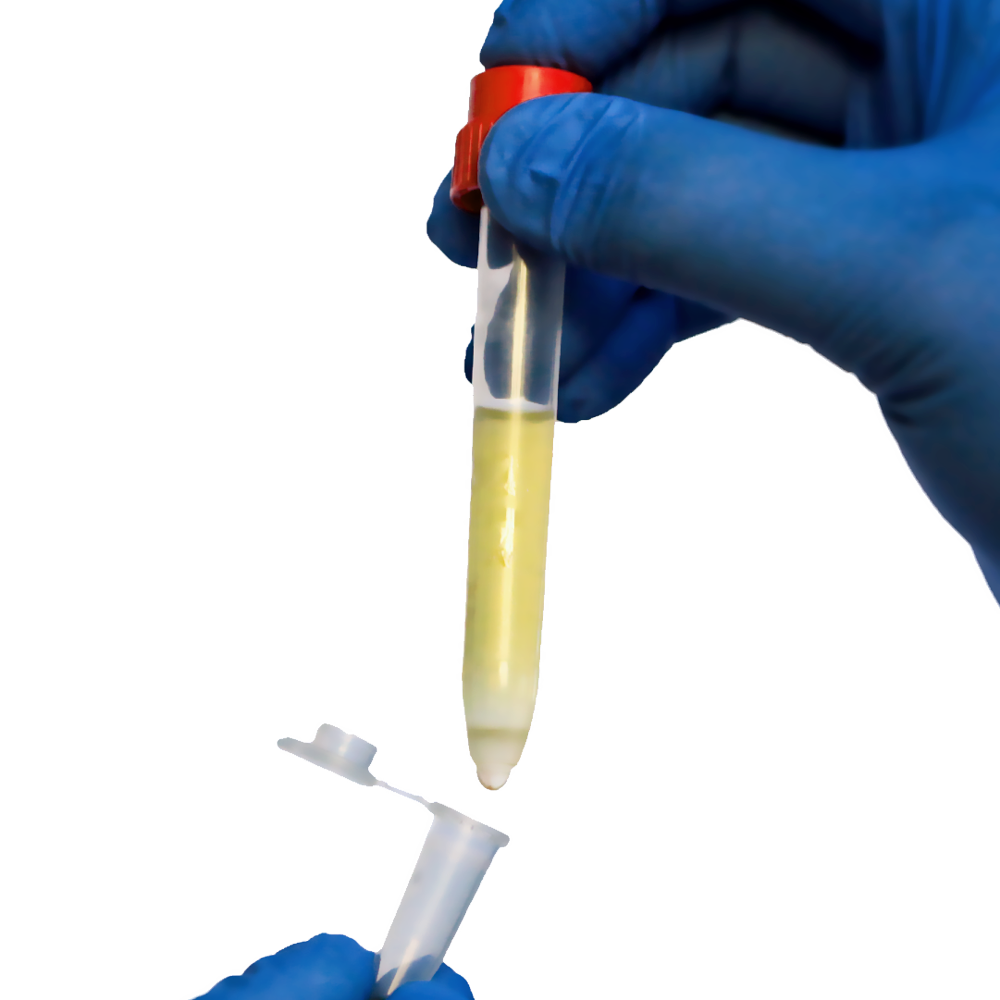
Preparing a true single-cell suspension is an important step in many cell-based experiments. Researchers often begin with tissue, organoids, blood-derived material, or cultured cells that contain clusters and aggregates. Even after mechanical or enzymatic dissociation, some cells may remain attached to one another.
These aggregates can create problems when the sample needs to be analyzed or processed as individual cells. A suspension containing large clumps may affect cell counting, interfere with flow cytometry, complicate cell sorting, or make downstream assays less consistent.
Filtration provides a practical way to remove these unwanted aggregates after dissociation. A suitable cell strainer allows individual cells and smaller particles to pass through while retaining larger clumps.
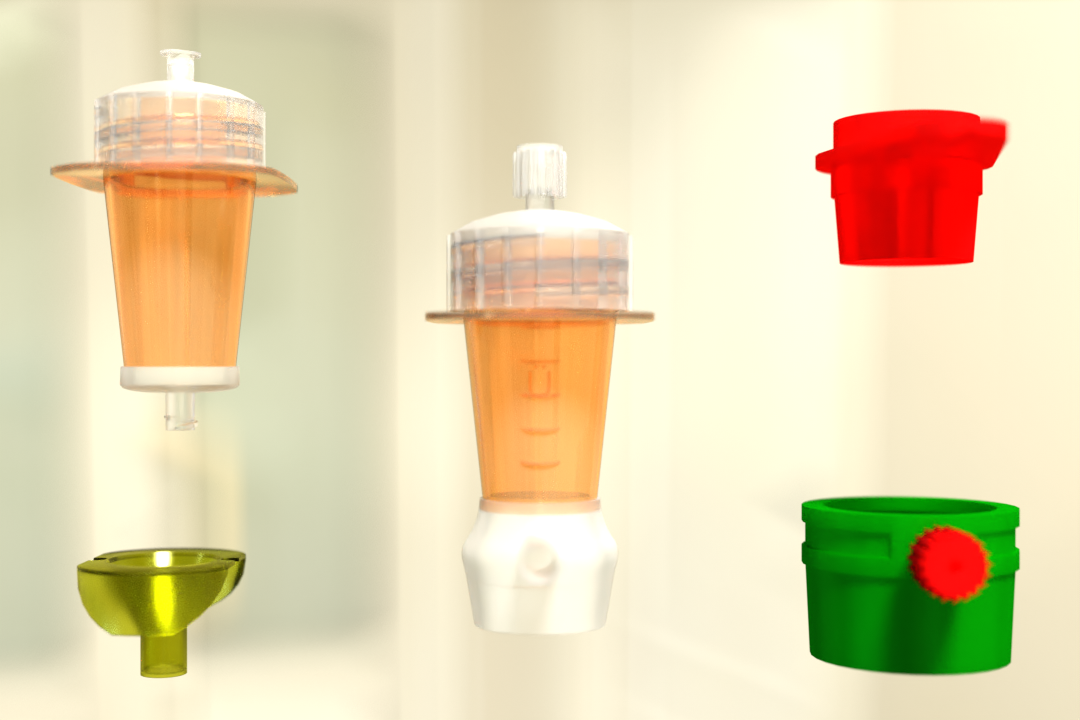
The pluriStrainer® is designed specifically for this type of sample preparation. It can be used to obtain real single-cell suspensions and remove cell aggregates before downstream applications. Available with different mesh sizes, it allows researchers to select filtration conditions according to their sample. However, getting the best results depends on more than simply placing a strainer over a tube. The sample needs to be prepared properly, the mesh size needs to match the application, and the filtration process needs to be handled carefully.
Why Tissue Digestion Does Not Always Produce Single Cells
Dissociation is often the first step in preparing cells from tissue or organoids. Enzymatic treatment and mechanical disruption can break down the sample and release individual cells. However, complete dissociation does not always occur. Some cells may remain connected to one another, while extracellular material or tissue fragments can hold several cells together. The result is a suspension containing both individual cells and larger aggregates.
The size and amount of these aggregates can vary depending on the starting material and the dissociation method. A sample that looks well dispersed may still contain clusters that are large enough to interfere with later processing. This is where filtration can provide an additional preparation step. Instead of relying entirely on the dissociation process to produce individual cells, researchers can pass the resulting suspension through a mesh designed to retain larger material.
The objective is not to replace tissue dissociation. Filtration works after or alongside dissociation to help remove material that should not remain in the final single-cell suspension. This distinction is important. If a sample contains large pieces of incompletely digested tissue, simply forcing them through a filter may not be the right approach. Proper dissociation should come first, followed by filtration to remove remaining aggregates.
Choosing the Right pluriStrainer® Mesh Size
Mesh size is one of the most important factors when preparing a single-cell suspension. The mesh needs to be small enough to retain unwanted aggregates but large enough to allow the individual cells being collected to pass through. Choosing a mesh that is too small can slow filtration and potentially increase cell retention. A mesh that is too large may allow unwanted clusters to pass through.
pluriStrainer® is available in different pore sizes, including 5, 10, 20, 40, 70, 100, and 200 µm options. This range allows researchers to select a mesh based on the characteristics of their sample and the size of the material they want to remove. There is no single mesh size that is appropriate for every sample. For example, a researcher preparing a suspension containing relatively small cells may have different filtration requirements from someone working with larger cells or organoid-derived material. The target cell size, aggregate size, and intended downstream application should all be considered. The goal is to create a useful balance between removing unwanted aggregates and recovering the individual cells needed for the experiment.
Preparing the Sample Before Filtration
Good filtration begins with good sample preparation. Before using the pluriStrainer®, the tissue, organoid, or other starting material should be appropriately dissociated according to the requirements of the experiment. If enzymatic digestion is being used, the sample should be processed under the established conditions for that tissue or cell type. The aim is to release individual cells while minimizing the amount of remaining tissue material.
Once the sample has been dissociated, the appropriate pluriStrainer® can be positioned over the receiving tube. The strainer is designed to fit standard 50 mL centrifuge tubes, providing a convenient setup for collecting the filtered suspension. Sterile versions can be used when maintaining a controlled cell-processing environment is important. At this stage, researchers should also consider the expected sample volume. Overloading the mesh can slow filtration and make it more difficult to process the sample evenly.
Preparing the receiving tube and strainer before starting the filtration step can help keep the workflow organized and reduce unnecessary handling once the sample is ready.
How to Filter the Sample with pluriStrainer®
Once the sample and equipment are prepared, the suspension can be applied to the pluriStrainer®. The strainer holds the selected mesh above the receiving tube. As the sample passes through the mesh, individual cells and material small enough to pass through enter the collection tube, while larger aggregates are retained on the mesh.
This creates a simple separation based on particle size. The filtration process should be allowed to proceed without unnecessary force. Applying excessive pressure can push unwanted material through the mesh and may also make the process less controlled.
For many samples, gravity is sufficient to move the liquid through the mesh. The appropriate flow rate depends on the sample’s characteristics, including its viscosity and the amount of material present. The filtered fraction can then be collected for further processing or analysis.
The retained material should not automatically be treated as waste. Depending on the experiment, it may contain unwanted aggregates, larger tissue fragments, or material that researchers may want to examine or process separately.
The filtration step therefore creates two fractions: the material that passes through the mesh and the material retained by it.
Improving Filtration of Difficult Samples
Some samples are more difficult to filter than others. Thick suspensions, high concentrations of cells, and samples containing substantial amounts of larger material may pass through the mesh slowly.
In these situations, controlling the flow can help. The pluriStrainer® can be combined with a Connector Ring to support low-pressure filtration. This provides researchers with greater control over the movement of the sample through the mesh.
Low pressure can be useful when gravity alone does not provide sufficient flow. However, the goal should still be controlled filtration rather than forcing the entire sample through as quickly as possible. Excessive pressure can compromise the separation by pushing larger material through the mesh. It can also make the process harder to control.
For difficult samples, it may therefore be better to consider the cause of the slow filtration first. If the sample contains large tissue fragments or extensive aggregates, further dissociation may be more appropriate than simply increasing pressure. The filtration system should support the sample preparation process rather than compensate for incomplete dissociation.
Recovering Cells and Retained Material
Recovery is an important part of single-cell preparation, particularly when valuable cells or sample material remain on the mesh.
In a typical workflow, the cells that pass through the pluriStrainer® are collected in the receiving tube. This fraction can then be used for counting, culture, flow cytometry, cell sorting, or another downstream application. However, researchers may sometimes need to recover material that has been retained on the mesh. The pluriStrainer® can be inverted to support recovery of retained material.
This feature can be useful when the retained fraction contains cells or tissue fragments that need to be examined separately. Rather than treating everything caught by the mesh as waste, researchers can recover the material for additional processing. Depending on the application, rinsing the retained material into a suitable tube can also help recover cells that remain associated with the mesh.
Recovery should therefore be considered when selecting and using a cell strainer. The best filtration setup is not only one that removes unwanted aggregates but also one that allows researchers to handle the resulting fractions according to their experimental needs.
Using pluriStrainer® for Flow Cytometry Sample Preparation
Flow cytometry requires a suspension in which cells can pass individually through the instrument’s detection area. Large aggregates can interfere with this process and may complicate sample analysis. Preparing a clean single-cell suspension before flow cytometry can therefore be an important part of sample preparation.
After tissue or organoid dissociation, filtration through an appropriate pluriStrainer® can help remove larger aggregates from the suspension. Individual cells can pass through the selected mesh while larger clumps are retained. This can provide a more uniform sample for subsequent analysis.
The filtration step should be matched to the cell type and experimental requirements. Choosing an unsuitable mesh size may result in unnecessary cell retention or allow aggregates to remain in the sample. Filtration is also only one part of good flow cytometry preparation. Researchers still need to consider cell viability, sample concentration, staining conditions, and other aspects of the protocol.
Used at the appropriate stage, however, pluriStrainer® provides a straightforward way to add aggregate removal to the sample preparation workflow.
Preparing Single-Cell Suspensions from Different Samples
The need for single-cell preparation occurs across many types of biological samples.
Tissue samples
Tissue commonly requires mechanical or enzymatic dissociation before individual cells can be collected. After dissociation, filtration can help remove remaining tissue fragments and cell clusters.
Organoids
Organoids can contain dense cellular structures that require careful dissociation. Once the cells have been released, filtration can help separate individual cells from remaining clusters.
Blood-derived samples
Blood and bone marrow workflows can also involve filtration when aggregates or unwanted larger particles need to be removed before further analysis.
Cell cultures
Cultured cells can form clumps during handling or after certain treatments. A suitable strainer can help produce a more uniform suspension when individual cells are required. Although the starting materials differ, the basic purpose of filtration remains the same: allow the desired individual cells to pass through while retaining larger unwanted material.
The appropriate mesh size and handling conditions should always be selected according to the specific sample.
When to Use Multiple Mesh Sizes
Some samples contain material covering a wide range of sizes. In these cases, using a single mesh may not provide the desired level of separation. Multiple pluriStrainer® units with different mesh sizes can be used to create a staged filtration process. A larger mesh can first remove bigger pieces of material, followed by a smaller mesh to retain smaller aggregates.
This approach allows researchers to gradually reduce the size of material remaining in the suspension rather than forcing everything through one fine mesh. The choice of mesh sequence depends on the sample and the intended outcome. A multi-stage approach may be particularly useful when the starting material contains both large tissue fragments and smaller cell clusters. Using different mesh sizes can also provide separate size fractions for further analysis.
The key is to design the sequence around the sample rather than automatically adding more filtration steps. If a single appropriate mesh produces the required suspension, additional stages may not be necessary.
Common Mistakes to Avoid During Single-Cell Preparation
Several simple issues can affect filtration results.
Choosing the wrong mesh size: A mesh that is too fine may retain more cells than necessary, while one that is too large may allow unwanted aggregates through.
Overloading the strainer: Large sample volumes or high concentrations of aggregates can slow filtration. Processing the sample in manageable portions can help maintain a more controlled flow.
Using excessive pressure: Forcing a sample through the mesh can reduce the effectiveness of size-based separation. If filtration is slow, researchers should first consider whether the sample requires additional dissociation.
Ignoring retained material: The material remaining on the mesh may contain useful cells or sample components. If recovery is important, the retained fraction should be handled accordingly.
Skipping sample preparation: A strainer is not a replacement for proper tissue dissociation. Large pieces of incompletely processed material may require further treatment before filtration.
Avoiding these problems can help researchers obtain a more consistent suspension while reducing unnecessary cell loss.
Conclusion
Preparing a true single-cell suspension involves more than breaking apart a tissue or cell sample. Even after dissociation, aggregates and larger fragments can remain and interfere with downstream applications. pluriStrainer® provides a simple filtration step for removing this unwanted material. By selecting an appropriate mesh size, researchers can allow individual cells to pass through while retaining larger aggregates.
The system can be used for tissue and organoid-derived samples, cell cultures, and other workflows where a more uniform cell suspension is required. Its compatibility with standard 50 mL centrifuge tubes makes it easy to incorporate into existing laboratory procedures, while the Connector Ring can provide additional control for difficult filtration workflows. For applications such as flow cytometry, cell culture, and cell analysis, preparing the suspension carefully can help create a more suitable starting sample.
The most effective workflow combines proper sample dissociation, appropriate mesh selection, controlled filtration, and suitable recovery. With these steps in place, pluriStrainer® can help researchers move from a mixed, aggregate-containing sample toward a true single-cell suspension ready for downstream work.
 English
 French
 German
 Spanish
 Belgium
 Italian
 Brazil
 Chinese Mandarin