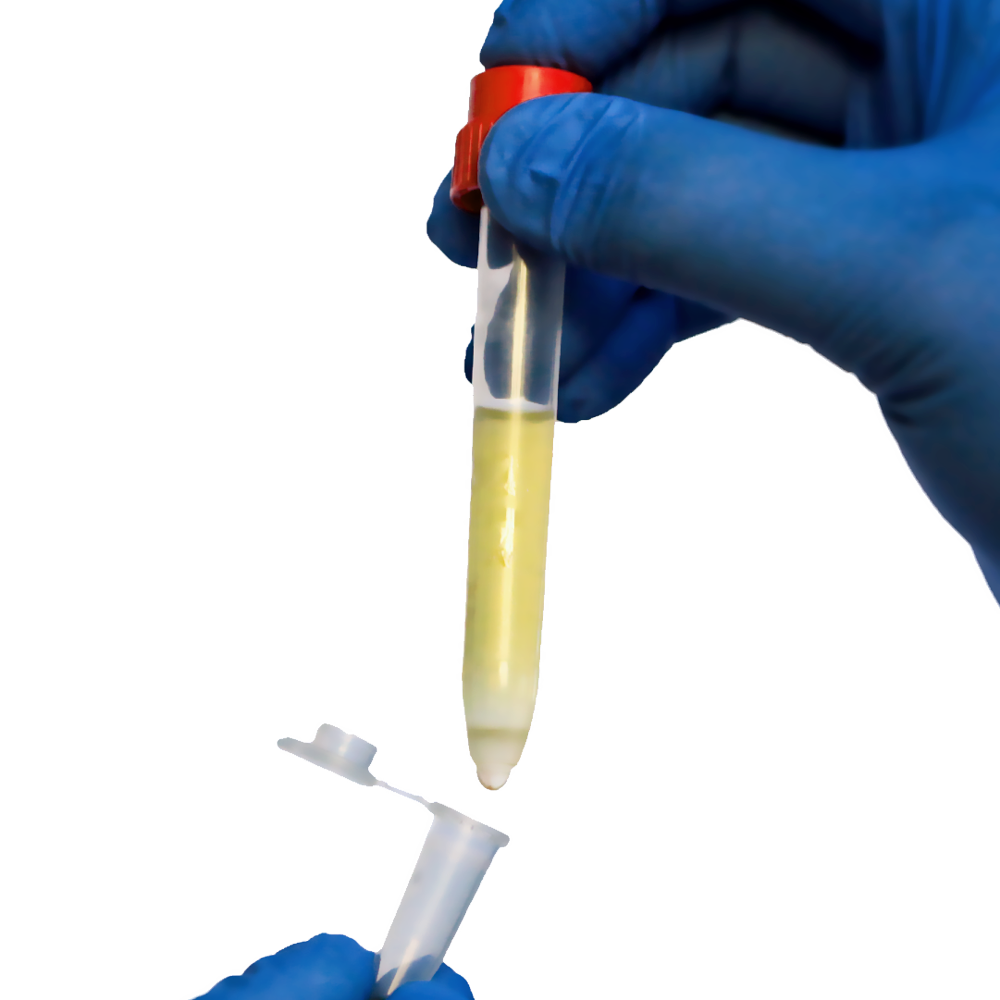
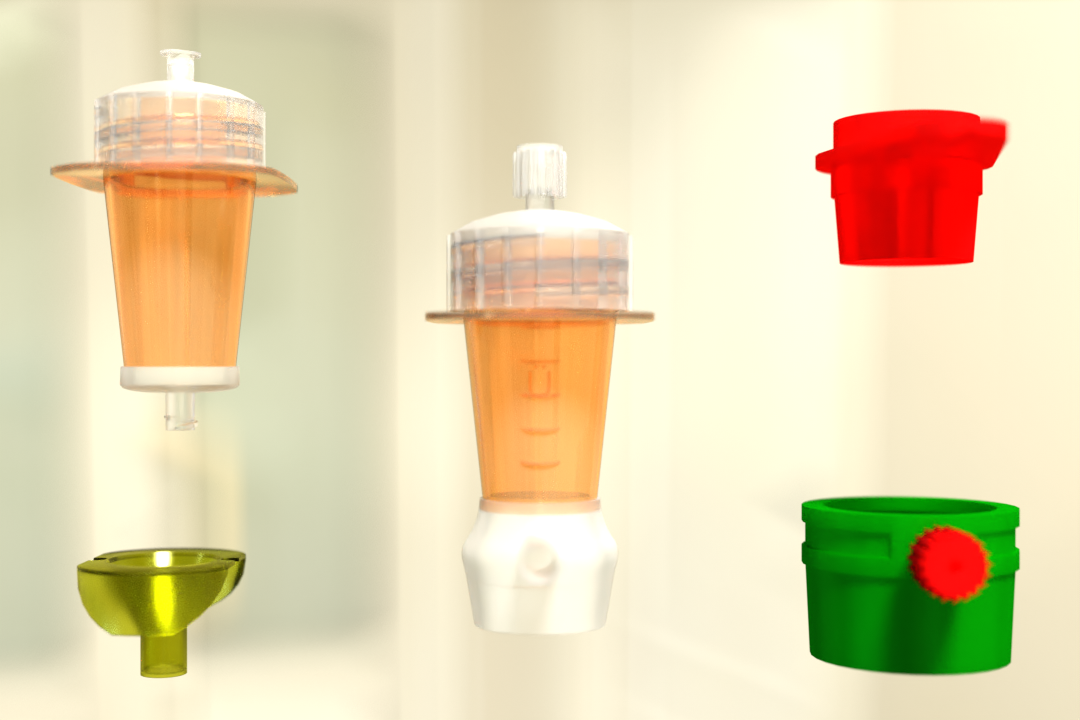
Sample preparation is one of the most important steps in laboratory workflows. Before samples can be analyzed, cultured, or processed further, unwanted particles, debris, or detritus often need to be removed. A well-prepared sample supports more reliable downstream procedures and helps researchers maintain consistent laboratory practices.
Cell strainers have long been used to perform this task. By separating unwanted material from liquid samples, they help create cleaner preparations for a wide range of laboratory applications. However, many traditional cell strainers require researchers to work with separate filtration devices and collection tubes. Although this approach is effective, it can introduce additional handling steps that make routine sample preparation less efficient.
As laboratories continue to process increasing numbers of samples, there is growing interest in filtration devices that simplify the workflow without changing the basic purpose of sample preparation. Reducing unnecessary handling, minimizing sample transfers, and making filtration more convenient can improve productivity while helping maintain sample quality.
The SnapCap Strainer was developed with these goals in mind. Instead of treating the strainer and collection tube as separate components, it combines both into a single product by using the screw cap of a standard test tube as the housing for a nylon mesh. This integrated design simplifies filtration while keeping the sample within the same container throughout the preparation process.
This article explores why the SnapCap Strainer provides a practical alternative to traditional cell strainers, the workflow challenges it addresses, and the features that make it a convenient solution for modern laboratories.
The Limitations of Traditional Cell Strainers
Traditional cell strainers continue to play an important role in laboratory sample preparation. They effectively remove debris and larger particles from liquid samples, helping researchers prepare cleaner material for downstream procedures. However, when laboratories process multiple samples every day, several practical limitations can become apparent.
Separate Filtration and Collection Components
Most conventional cell strainers function as independent filtration devices. Researchers typically place the strainer over a collection tube, transfer the sample through the filter, and then remove the strainer before continuing with the workflow.
Although straightforward, this arrangement requires researchers to handle multiple components throughout the filtration process.
Additional Sample Handling
Every additional laboratory step requires time and attention. Positioning the strainer, transferring the sample, removing the filtration device, and continuing with the prepared sample all add to the overall workflow.
When processing many samples, these repeated handling steps can gradually reduce laboratory efficiency.
Increased Opportunity for Sample Loss
Whenever samples are transferred between different laboratory components, there is a possibility that small amounts of material may remain behind. While individual losses may be minimal, repeated transfers can become more significant when valuable or limited samples are being processed.
Reducing unnecessary transfers helps laboratories preserve more of the original sample throughout preparation.
Greater Possibility of Contamination
Each time a sample is exposed during handling, there is an opportunity for unwanted contamination to occur. While standard laboratory procedures help minimize this risk, simplifying the workflow by reducing handling steps provides an additional level of protection for routine sample preparation.
Workflow Efficiency
Modern laboratories often process many samples within a limited amount of time. Equipment that simplifies routine procedures allows researchers to spend less time managing accessories and more time focusing on experimental work.
For this reason, laboratories increasingly value filtration solutions that combine convenience with reliable performance.
Understanding the SnapCap Strainer
The SnapCap Strainer is a sample preparation device developed to simplify laboratory filtration by combining the functions of a test tube and a cell strainer into one integrated product.
Rather than using a separate filtration insert, the device uses the screw cap of a standard test tube as the housing for a sterile nylon mesh. This allows researchers to perform filtration while keeping the sample within the same container.
Integrated Tube and Strainer Design
One of the defining characteristics of the SnapCap Strainer is its integrated construction. By combining the collection tube and filtration device into a single product, researchers can complete sample preparation with fewer separate laboratory components. This simplified design helps streamline routine workflows while reducing unnecessary handling.
Easy-to-Use Snap Lid
The SnapCap Strainer includes a thumb-operated snap lid that allows quick and convenient opening during sample preparation. The lid design makes routine laboratory handling straightforward while supporting efficient access to the sample whenever needed.
Available Mesh Sizes
Different laboratory applications require different filtration levels. To accommodate these needs, the SnapCap Strainer family is available with nylon mesh sizes of:
These commonly used mesh sizes allow researchers to select the option that best matches their sample preparation requirements.
Cost-Effective Sample Preparation
The SnapCap family includes a simple, cost-effective version that provides efficient removal of detritus while maintaining a straightforward laboratory workflow. This option offers laboratories an economical solution for routine filtration without introducing unnecessary complexity.
How the SnapCap Strainer Simplifies Sample Preparation
The SnapCap Strainer has been designed to make routine sample preparation more convenient by reducing the number of separate components involved in filtration.
Instead of placing an independent strainer over a collection tube, researchers perform filtration directly within the integrated tube-and-strainer system. This allows the sample to remain in the same container throughout preparation.
One-Step Filtration and Collection
Traditional workflows often involve positioning the filtration device, collecting the filtered sample, and then removing the strainer before continuing with the experiment. The SnapCap Strainer simplifies this process by combining filtration and sample collection within the same product, reducing the number of individual handling steps required.
Efficient Removal of Detritus
Removing detritus is one of the primary purposes of sample preparation. The nylon mesh effectively separates unwanted material from liquid samples, helping researchers prepare cleaner samples for downstream laboratory procedures.
Fewer Sample Transfers
Keeping the sample within the same tube throughout filtration reduces unnecessary transfers between different laboratory containers. This not only simplifies the workflow but also helps preserve valuable sample material while supporting a cleaner and more organized preparation process.
Supporting Routine Laboratory Work
Many laboratory procedures rely on consistent sample preparation. By integrating the tube and strainer into one device, the SnapCap Strainer allows researchers to follow a straightforward workflow that is easy to repeat across multiple samples.
This practical design makes it particularly useful for routine laboratory applications where efficiency and convenience are important.
Features That Make the SnapCap Strainer Different
While the primary purpose of any cell strainer is to remove unwanted material from a sample, the design of the filtration device can significantly influence how efficiently the workflow is completed. The SnapCap Strainer incorporates several practical features that simplify routine laboratory work while making sample preparation more convenient.
Two Versions for Different Laboratory Needs
The SnapCap Strainer family is available in two versions, allowing laboratories to select the option that best matches their workflow requirements.
The standard version provides a simple and cost-effective solution for routine sample preparation and efficient removal of detritus. It is well suited for laboratories looking for a straightforward filtration device that combines the collection tube and strainer in one product. For laboratories requiring additional protection during sample handling, an improved version is also available.
Airtight and Leakproof Design
The improved SnapCap Strainer is equipped with an elastic sealing system that keeps both the tube and the strainer airtight and leakproof.
Maintaining a secure seal during sample preparation helps reduce the possibility of leakage while providing additional confidence when handling liquid samples. Laboratories processing valuable or sensitive materials can benefit from a filtration device that keeps the sample securely contained throughout the workflow.
Sterile and Ready to Use
All nylon-mesh SnapCap Strainers are supplied sterile and are ready to use immediately. Researchers can incorporate the device directly into routine laboratory procedures without additional preparation, helping save time during sample processing while maintaining a clean workflow.
Practical Design for Daily Laboratory Work
The SnapCap Strainer has been designed with routine laboratory use in mind. Its integrated construction, thumb-operated lid, and sterile nylon mesh make it easy to incorporate into everyday sample preparation.
Rather than introducing additional accessories or complicated assembly steps, the device provides a simple filtration solution that is ready whenever it is needed.
Laboratory Applications of the SnapCap Strainer
Because of its integrated design, the SnapCap Strainer can support a variety of routine laboratory applications where filtration and purification of liquids are required.
Routine Sample Preparation
Preparing samples before downstream analysis is one of the most common laboratory procedures. Removing unwanted material early in the workflow helps researchers begin with cleaner samples that are better suited for additional processing.
The SnapCap Strainer provides a convenient solution by combining filtration and collection into one product, allowing routine sample preparation to be completed with fewer handling steps.
Removing Detritus from Liquid Samples
One of the primary functions of the SnapCap Strainer is the efficient removal of detritus. By separating unwanted material from the liquid sample, the nylon mesh helps produce cleaner preparations for later laboratory procedures while keeping the workflow straightforward.
Supporting Downstream Laboratory Procedures
Many laboratory techniques depend on well-prepared samples. Filtration before downstream processing helps remove unwanted material that could interfere with later experimental steps. The SnapCap Strainer supports this preparation stage by providing a simple method for obtaining cleaner liquid samples before additional laboratory analysis.
Processing Multiple Samples Efficiently
Laboratories often perform the same preparation procedure on numerous samples throughout the day. Equipment that simplifies routine handling can improve overall workflow efficiency without changing established laboratory protocols.
Because the SnapCap Strainer integrates two laboratory components into one product, researchers can prepare multiple samples while following a consistent and organized process.
Choosing Between Traditional Cell Strainers and the SnapCap Strainer
Traditional cell strainers remain useful for many laboratory applications, but choosing the most appropriate filtration device depends on the needs of the workflow. One of the biggest differences between traditional strainers and the SnapCap Strainer is the number of components involved in sample preparation.
Traditional systems generally require a separate collection tube and filtration device. While effective, this arrangement introduces additional handling steps during routine filtration.
The SnapCap Strainer simplifies this process by combining both functions within a single product. Keeping the sample inside the same tube throughout preparation reduces unnecessary transfers while making the workflow easier to manage.
The improved SnapCap Strainer also offers an additional advantage through its airtight and leakproof elastic sealing. Laboratories requiring extra protection against leakage may benefit from this enhanced design while continuing to use the same simple filtration workflow.
Another practical consideration is convenience. The thumb-operated snap lid allows quick access to the sample, making routine handling straightforward without requiring complicated assembly or disassembly. For laboratories processing multiple samples each day, these design improvements can contribute to a more streamlined workflow while maintaining effective removal of detritus.
Conclusion
Efficient sample preparation depends not only on effective filtration but also on how easily the workflow can be performed. Traditional cell strainers continue to provide reliable filtration, but they often require separate filtration and collection components that introduce additional handling during routine laboratory procedures.
The SnapCap Strainer offers a practical alternative by combining the test tube and nylon-mesh strainer into a single integrated product. Its one-step filtration approach, thumb-operated snap lid, and sterile, ready-to-use construction help simplify sample preparation while reducing unnecessary sample transfers. Laboratories can also choose between a cost-effective standard version and an improved airtight, leakproof version with elastic sealing, depending on their workflow requirements.
By bringing filtration and sample collection together in one device, the SnapCap Strainer supports a more organized and efficient laboratory process. Whether used for routine sample preparation or the removal of detritus from liquid samples, it provides a convenient solution that helps laboratories improve workflow efficiency while maintaining consistent sample quality.
 English
 French
 German
 Spanish
 Belgium
 Italian
 Brazil
 Chinese Mandarin