Human monocytes are important cells in immunology and cell biology research. They participate in immune responses, interact with other cells, and contribute to processes involved in inflammation and immune regulation. Researchers study monocytes to understand how immune cells behave under different conditions and how they respond to biological signals.
Many monocyte-based experiments begin with blood-derived samples. However, these samples contain several cell populations, including lymphocytes, granulocytes, and other blood components. Researchers need to prepare the sample before using it in experiments that require an increased proportion of monocytes. This is where monocyte enrichment becomes an important part of laboratory sample preparation.
Enrichment helps reduce unwanted cell populations and provides a sample containing a higher proportion of the target cells. The resulting preparation can then be evaluated and used for suitable downstream applications. However, preparing monocyte-enriched samples involves more than selecting a separation method. Researchers also need to consider the starting material, sample handling, enrichment procedure, and requirements of the experiment.
A suitable workflow should begin with a clear understanding of the sample and the target population. It should then use an appropriate separation approach and include checks to determine whether the recovered cells meet the needs of the application.
pluriSpin® Human Monocyte Enrichment supports this process through negative selection. The method labels unwanted cells while leaving the target monocytes unbound. Density gradient centrifugation is then used to separate the cell populations and recover the monocyte-enriched fraction. This approach provides a defined method for preparing human monocytes from blood-derived samples.
For laboratories working with immunology, cell biology, and related applications, understanding each stage of sample preparation can help establish a suitable workflow and provide a consistent starting point for downstream experiments.
Preparing Blood-Derived Samples Before Monocyte Enrichment
The starting sample is an important part of monocyte preparation. Its composition influences which cells need to be removed and how the enrichment procedure should be organized. Researchers commonly work with whole blood or buffy coat samples when preparing human monocytes.
Selecting the starting material
Whole blood contains red blood cells, white blood cells, and platelets. White blood cells include several populations, such as monocytes, lymphocytes, and granulocytes. These cells have different functions and may be relevant to different research applications.
When the objective is to enrich monocytes, researchers need to separate the target cells from the other populations present in the sample. A buffy coat can also be used as starting material. It is the fraction obtained after blood separation that contains concentrated white blood cells and platelets. Although a buffy coat provides a concentrated cellular fraction, it still contains multiple types of white blood cells.
Researchers therefore need an enrichment step to obtain a monocyte-containing population suitable for their intended experiment. The choice between whole blood and buffy coat depends on the sample available and the requirements of the enrichment procedure.
Understanding the cellular composition
Before enrichment, researchers should understand what the starting sample contains. The presence of different white blood cell populations means that the target monocytes are mixed with cells that may not be required for the experiment. The enrichment procedure should therefore be selected according to the unwanted populations that need to be removed.
This is particularly important when the downstream application requires a defined starting cell population. For example, an experiment focused on monocyte behavior may require researchers to reduce the presence of other white blood cells before beginning the study. Understanding the sample composition helps researchers determine what the enrichment process needs to achieve.
Preparing the sample for separation
Sample preparation should follow the requirements of the selected enrichment procedure. Researchers need to ensure that the starting material is suitable for the separation method and that the sample is handled consistently. The preparation process should account for the sample type, its cellular composition, and the amount of material being processed. It is also important to define the target population before beginning enrichment.
Researchers should identify whether they need monocytes from whole blood or a buffy coat and determine which unwanted cells need to be removed. This helps establish the appropriate enrichment procedure.
Defining the enrichment objective
The enrichment objective should be based on the intended downstream application. Some experiments require a higher proportion of monocytes, while others may have additional requirements related to cell viability, sample composition, or recovery. Researchers should determine which characteristics matter for their experiment before selecting the enrichment method. This provides a clear basis for evaluating the recovered sample.
Rather than assuming that every monocyte preparation requires the same outcome, laboratories should define the target requirements according to their research needs.
Enriching Human Monocytes Through Negative Selection
Negative selection is a method used to enrich target cells by labeling unwanted populations.
Instead of directly labeling the cells researchers want to collect, the method identifies cells that should be removed. This approach is used in pluriSpin® Human Monocyte Enrichment.
Understanding negative selection
During negative selection, antibodies are used to label unwanted cells. The target monocytes remain unbound during the labeling step. This distinction is important because the separation process focuses on removing unwanted populations rather than directly targeting the monocytes. The objective is to obtain a monocyte-enriched fraction while reducing the presence of other cells.
Negative selection therefore provides a different approach from methods that directly label the target population. For laboratories preparing monocytes for downstream applications, the selection principle should be considered when choosing an enrichment method.
Step 1: Label unwanted cell populations
The enrichment procedure begins by labeling unwanted cells in the starting sample. These cells are identified through the labeling process, while the target monocytes remain unbound. The labeling step prepares the sample for subsequent separation.
Researchers should follow the requirements of the enrichment procedure to ensure that the sample is suitable for the next stage. The purpose of this step is to distinguish the unwanted populations from the target cells.
Step 2: Separate the cell populations
Following labeling, density gradient centrifugation is used to separate the cell populations. Centrifugation allows cells to separate according to their behavior within the density gradient. The labeled unwanted cells and target monocytes are handled through the separation process, allowing researchers to collect the monocyte-enriched fraction.
This step is central to the enrichment workflow because it separates the target population from the unwanted cells identified during labeling.
Step 3: Collect the monocyte-enriched fraction
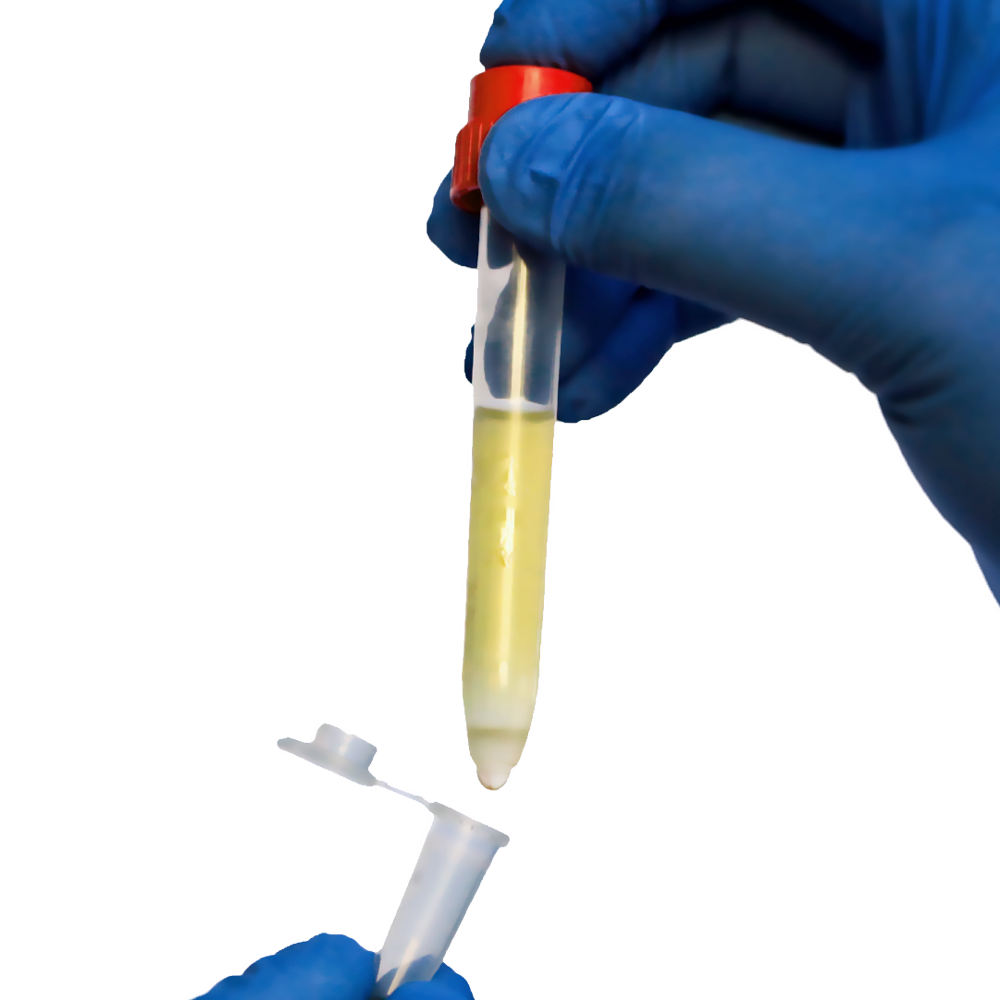
After centrifugation, researchers collect the fraction containing the target monocytes. The recovered population can then be evaluated and prepared for the intended downstream application. The enrichment process helps increase the proportion of monocytes in the sample.
However, the recovered fraction should still be assessed according to the requirements of the experiment. Enrichment does not automatically establish that the sample meets every downstream quality requirement.
How pluriSpin® supports the workflow
pluriSpin® Human Monocyte Enrichment combines negative selection with density gradient centrifugation. The method labels unwanted cells while leaving the target monocytes unbound. Researchers then use centrifugation to separate the populations and collect the monocyte-enriched fraction.
The approach does not rely on magnetic separation or columns. This provides an alternative for laboratories selecting a cell enrichment method based on their sample preparation requirements. The appropriate method should be selected according to the starting material, target population, and intended application.
Preparing Monocyte-Enriched Samples for Downstream Applications
Once the monocyte-enriched fraction has been collected, researchers need to determine whether it is suitable for the intended experiment. The requirements depend on the application. A sample prepared for one research objective may not automatically meet the needs of another.
Assessing cell recovery
Cell recovery helps researchers understand how many target cells were obtained during enrichment. This information is important when the downstream experiment requires a particular number of cells. Researchers should evaluate the recovered population according to the requirements of their application.
The number of cells collected provides information about the enrichment process, but it should not be considered the only measure of sample suitability. The composition and condition of the recovered cells also matter.
Evaluating sample composition
After enrichment, researchers should assess whether the recovered sample contains the target population at a suitable proportion. The objective is to determine whether unwanted cell populations have been sufficiently reduced for the intended experiment. The required level of enrichment depends on the application.
Some studies may require a more defined monocyte population than others. Researchers should therefore evaluate sample composition according to their experimental requirements rather than applying the same acceptance criteria to every workflow.
Checking cell viability
Cell viability is another important consideration. Researchers need to determine whether the recovered cells are suitable for the intended downstream application.
This is particularly relevant for experiments involving cell behavior, immune responses, or other processes that depend on the condition of the cells. The enrichment procedure should be evaluated alongside the viability requirements of the experiment. A sample may contain an enriched monocyte population, but researchers should still confirm that the cells meet the needs of their application.
Handling the enriched fraction
After collection, the monocyte-enriched fraction needs to be handled according to the downstream procedure. Researchers should consider how the sample will be transferred, processed, or prepared for the next experimental step. Unnecessary transfers can introduce additional handling and create opportunities for sample loss.
The workflow should therefore include the steps required for the intended application while avoiding unnecessary processing. The appropriate handling procedure depends on the experiment and the requirements of the recovered cells.
Preparing samples for immunology research
Monocyte-enriched samples can support several types of immunology research. Researchers may use them to study immune cell behavior, investigate inflammatory processes, or examine responses to different experimental conditions. The enrichment step provides a starting population for these studies.
However, the sample preparation method should be matched to the experimental objective. Researchers should determine whether the recovered cells meet the required composition, recovery, and viability criteria before beginning downstream work. This helps ensure that the prepared sample is suitable for the planned application.
Considering additional filtration
Some samples may contain aggregates or unwanted particles that need to be removed before downstream analysis.
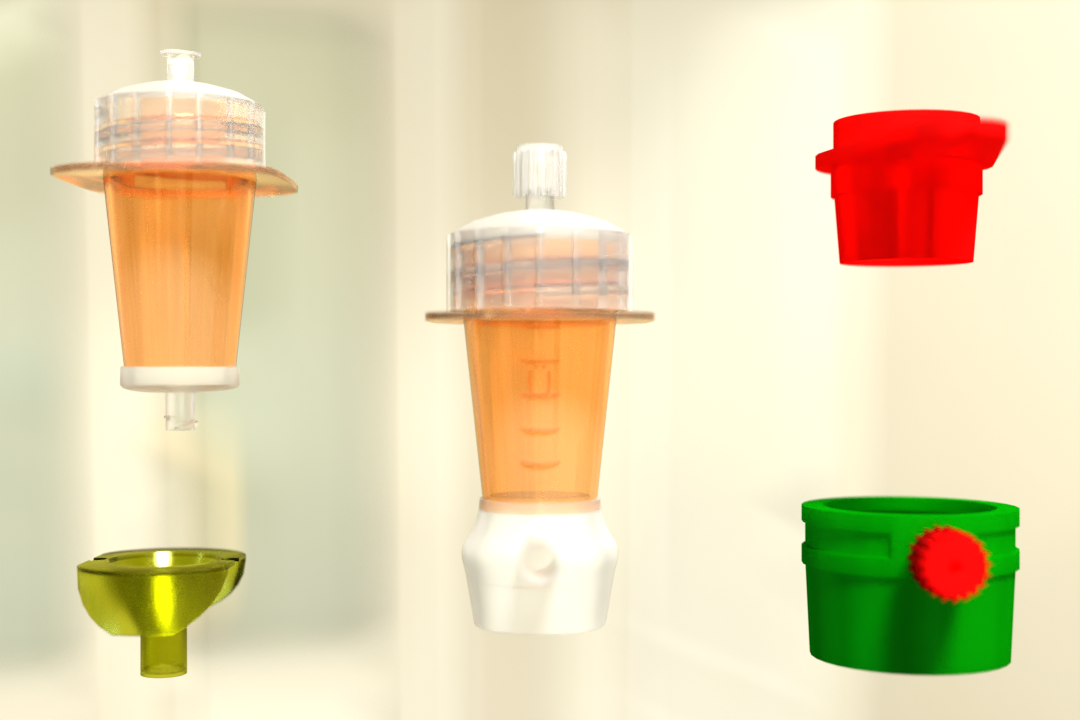
In these situations, researchers may consider an additional filtration step. A laboratory cell strainer can help remove material according to its size, depending on the sample and the selected pore size. However, filtration and monocyte enrichment serve different purposes.
Negative selection enriches the target cell population by labeling unwanted cells. Filtration separates material according to particle size. Researchers should include filtration only when it addresses a specific requirement of the sample preparation workflow. Additional processing should not be added automatically, because every step should contribute to the intended experimental outcome.
Conclusion
Preparing monocyte-enriched samples requires a clear understanding of the starting material, the target population, and the requirements of the downstream experiment. Whole blood and buffy coat samples contain several cell populations. Researchers need to prepare these samples before using them in experiments that require an enriched monocyte population. The preparation process begins with selecting suitable starting material and understanding its cellular composition.
Negative selection then provides a method for labeling unwanted cells while leaving the target monocytes unbound. Density gradient centrifugation supports the separation of these populations and the recovery of the monocyte-enriched fraction.
pluriSpin® Human Monocyte Enrichment uses this approach to support human monocyte preparation from blood-derived samples.
After enrichment, researchers should assess the recovered cells according to their application requirements. Cell recovery, sample composition, and viability are important considerations when determining whether the preparation is suitable for downstream work. Additional handling or filtration should be included only when it supports the research objective.
The most suitable workflow is one that connects starting sample preparation, enrichment, recovery, and downstream handling without adding unnecessary steps. By defining the target population and evaluating the recovered sample, laboratories can establish a consistent approach to preparing monocyte-enriched samples for immunology and other laboratory applications.
 English
 French
 German
 Spanish
 Belgium
 Italian
 Brazil
 Chinese Mandarin