Mouse neutrophils are among the most widely studied immune cells in biomedical research. Their involvement in inflammation, infection, tissue repair, cancer biology, and immune regulation makes them a valuable target for researchers investigating both normal and disease-related immune responses. As the demand for high-quality neutrophil populations continues to grow, laboratories are increasingly seeking cell separation methods that provide reliable results without creating unnecessary workflow complexity.
Traditional isolation approaches often require multiple preparation steps before target cell separation can even begin. Density gradient centrifugation, erythrocyte lysis, and target cell enrichment procedures are frequently incorporated into standard workflows. While these methods can be effective, they often increase processing time, add variability, and require significant hands-on involvement.
Modern laboratories are now looking for solutions that reduce complexity while maintaining high isolation quality. Ly6G-pluriBeads® provide a targeted approach for isolating Ly6G+ mouse neutrophils directly from whole blood and other sample materials. Using antibody-coated beads and size-exclusion separation, the technology eliminates the need for density gradient centrifugation and many traditional pretreatment steps.
This article explores how Ly6G-pluriBeads® help researchers move efficiently from whole blood to purified Ly6G+ cells while simplifying laboratory workflows.
Challenges of Traditional Ly6G+ Cell Isolation from Whole Blood
Isolating Ly6G+ neutrophils from whole blood can be challenging because blood contains a complex mixture of cellular components. In addition to neutrophils, samples contain lymphocytes, monocytes, erythrocytes, platelets, and other blood-derived elements.
Researchers often encounter several common obstacles during isolation:
Complex Sample Composition
Whole blood is naturally heterogeneous. Target cells represent only a portion of the total cellular population, making selective enrichment more difficult.
Multiple Processing Steps
Traditional protocols frequently require:
- Density gradient centrifugation
- Erythrocyte removal
- Washing procedures
- Additional enrichment steps
Each added step increases workflow complexity.
Risk of Cell Loss
Every transfer, centrifugation cycle, and washing procedure creates opportunities for cell loss. This can become particularly important when working with limited sample volumes.
Increased Variability
The more steps involved in a workflow, the greater the potential for differences between operators, experiments, and laboratories.
Time-Intensive Procedures
Many traditional neutrophil isolation methods require considerable preparation before actual cell separation begins.
These challenges have encouraged researchers to seek more direct approaches to Ly6G+ cell isolation.
Why Workflow Efficiency Matters in Neutrophil Research
Cell separation is often only the first step in a larger experimental process. Once neutrophils have been isolated, researchers may proceed to flow cytometry, functional assays, molecular studies, cell culture experiments, or imaging applications.
Because isolation serves as the foundation for downstream work, inefficient workflows can create bottlenecks throughout the research process.
Faster Experimental Turnaround
Reducing isolation time allows researchers to move more quickly into downstream analyses.
Improved Laboratory Productivity
Simplified workflows reduce hands-on processing and enable laboratories to handle more samples efficiently.
Better Standardization
Fewer procedural steps help improve consistency across experiments and operators.
Reduced Training Requirements
Straightforward protocols are often easier to implement and standardize across research teams.
As research projects continue to scale, workflow efficiency has become an increasingly important consideration when selecting cell separation technologies.
Understanding Ly6G-pluriBeads® Technology
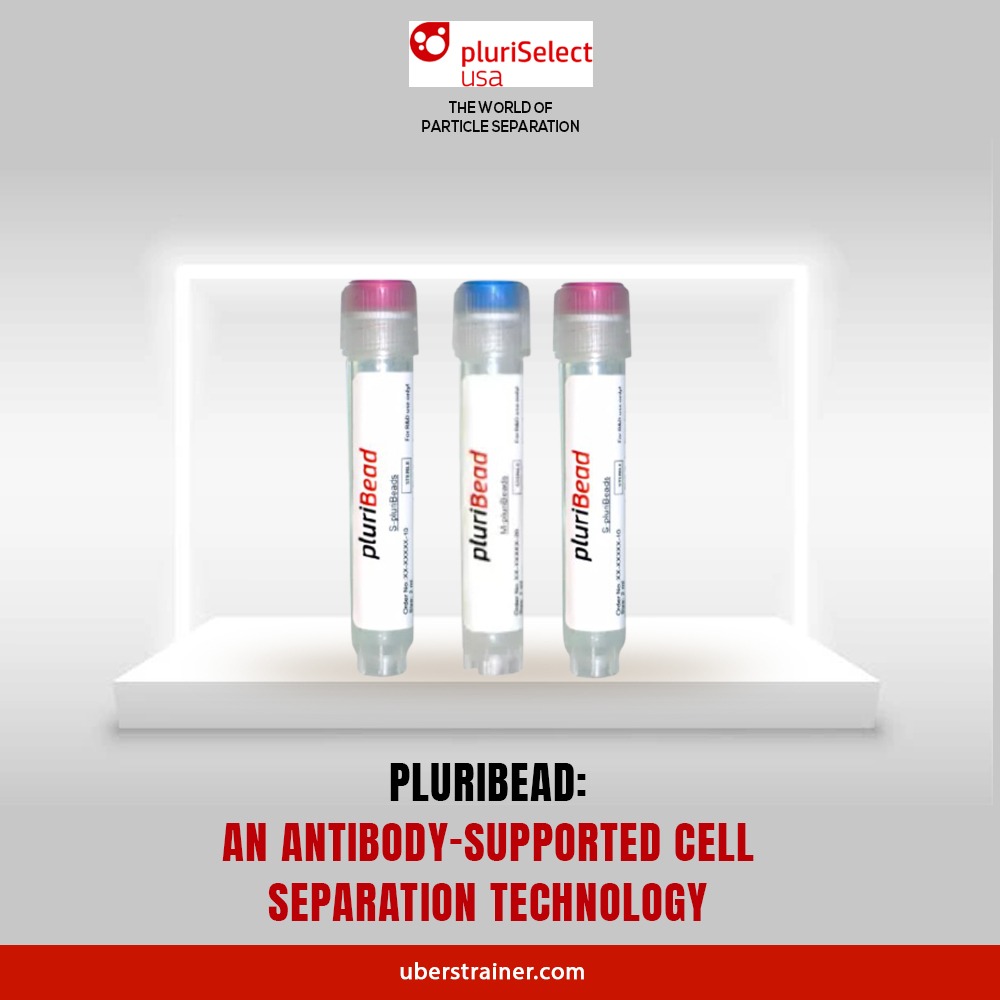
Ly6G-pluriBeads® are based on the pluriBead® Cell Separation Technology. The system uses non-magnetic monodispersed microparticles coated with monoclonal antibodies directed against specific structures on the target cell surface.
For neutrophil isolation, the beads are coated with antibodies that recognize Ly6G-positive cells.
The separation process follows three main stages:
Target Binding
The sample is incubated with Ly6G-pluriBeads®. During this step, Ly6G+ neutrophils bind directly to the antibody-coated beads through specific antibody-antigen interactions. Because the beads are designed to recognize the target population, unwanted cells remain unbound in the suspension. This selective binding step forms the foundation of the separation process and helps improve the specificity of neutrophil isolation.
Washing and Separation
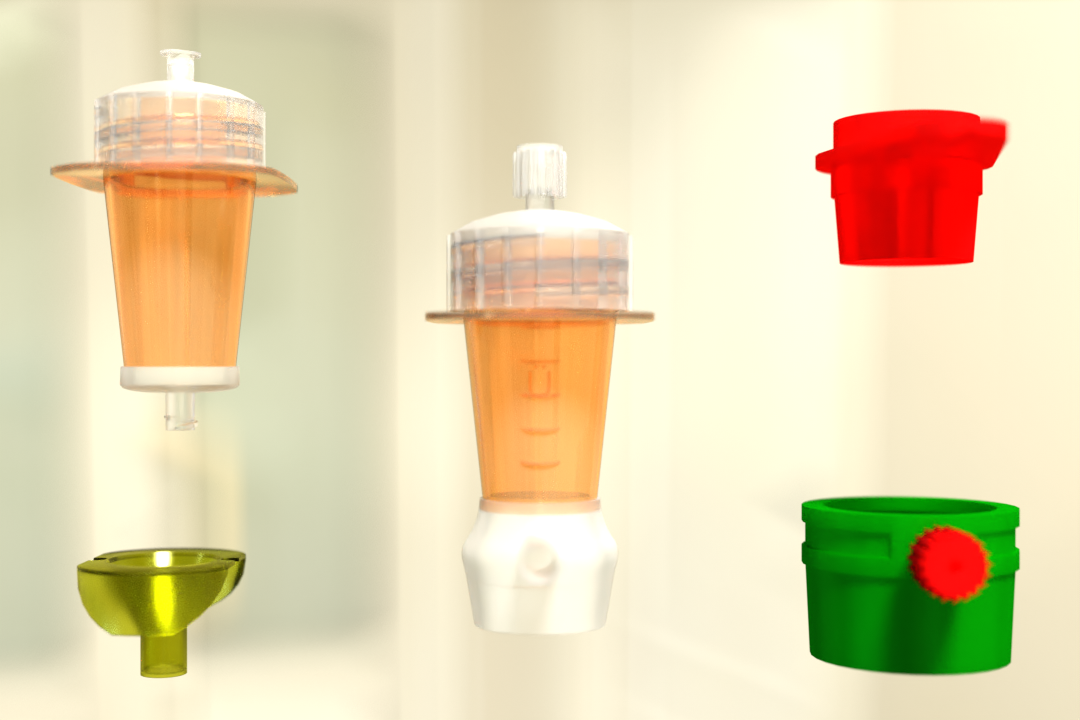
Once binding is complete, the sample is transferred to a pluriStrainer® for separation. The bead-bound target cells are retained on the strainer because the beads are larger than the mesh openings, while unbound cells and unwanted components pass through. This size-exclusion approach eliminates the need for density gradient centrifugation and allows researchers to isolate the desired cell population using a simple and controlled workflow. Washing steps can then be performed directly on the strainer to further remove residual contaminants and improve sample purity.
Cell Detachment
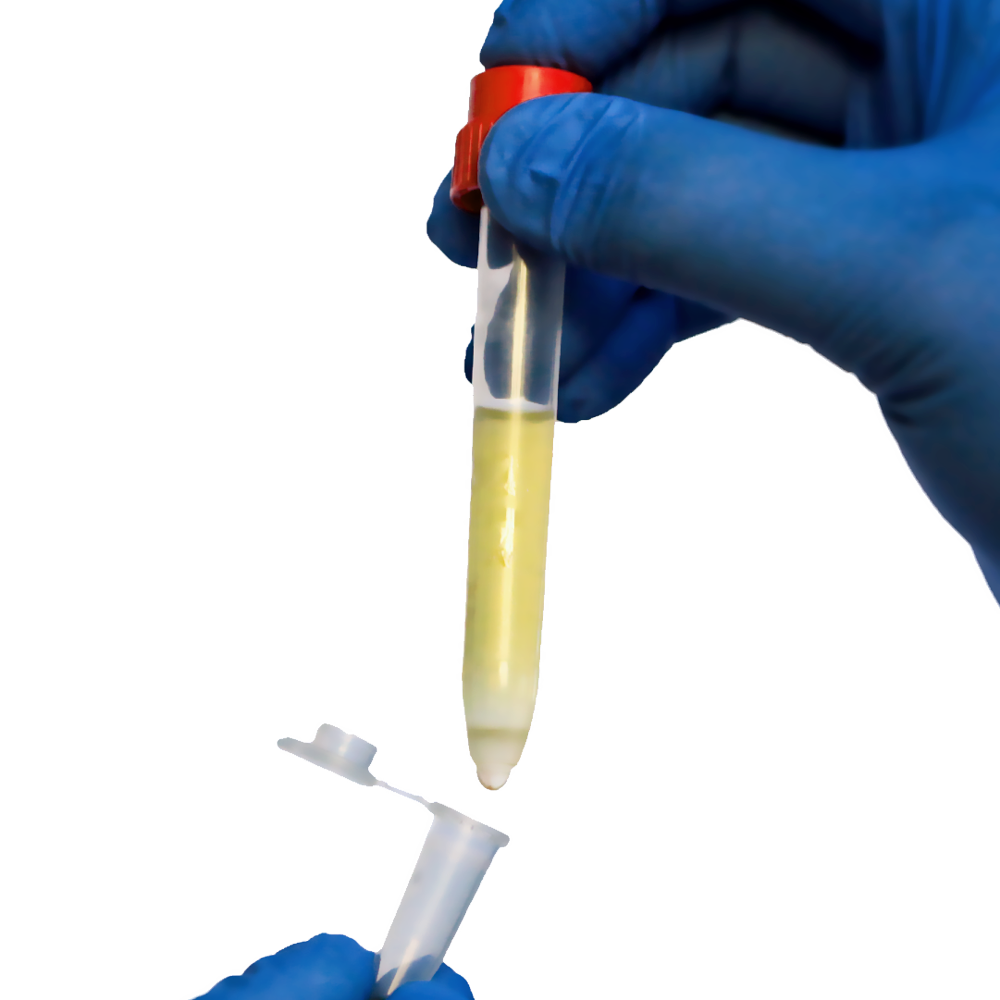
Following isolation, the captured Ly6G+ cells are released from the beads using a specialized detachment buffer applied directly on the strainer. The purified cells pass through the mesh and are collected in a fresh tube, while the beads remain behind. This results in a highly enriched neutrophil population that is ready for downstream applications such as flow cytometry, functional assays, cell culture studies, and molecular analysis.
This three-step workflow creates a targeted and highly controlled cell separation process that simplifies neutrophil isolation while reducing the complexity associated with traditional separation methods.
From Whole Blood to Purified Ly6G+ Cells: The Separation Workflow
One of the most attractive aspects of Ly6G-pluriBeads® is the simplicity of the workflow.
Step 1: Sample Preparation
Whole blood can be processed directly without extensive pretreatment. Unlike many conventional methods, density gradient centrifugation, erythrocyte lysis, or target concentration procedures are not required before separation.
This immediately removes several common workflow bottlenecks.
Step 2: Incubation with Ly6G-pluriBeads®
The sample is mixed with the antibody-coated beads and incubated under gentle mixing conditions.
During incubation, target neutrophils bind specifically to the beads.
Step 3: Size-Exclusion Separation
Following incubation, the suspension is transferred onto a pluriStrainer®.
The bead-bound Ly6G+ cells remain on the strainer while non-target cells pass through into the collection tube beneath.
Step 4: Washing
The isolated bead-cell complexes are washed directly on the strainer to remove residual unwanted material.
Step 5: Cell Release
A detachment buffer releases the purified Ly6G+ cells from the beads.
The detached cells are collected for downstream applications while the beads remain retained on the strainer.
The result is a purified neutrophil population generated through a straightforward workflow.
How Ly6G-pluriBeads® Improve Workflow Efficiency
The efficiency benefits of Ly6G-pluriBeads® extend beyond simply removing density gradients.
Eliminating Pretreatment Procedures
One of the most significant advantages is the ability to process samples without extensive preparation.
Researchers can avoid:
- Density gradient centrifugation
- Erythrocyte lysis
- Target concentration steps
This reduces both processing time and workflow complexity.
Fewer Sample Transfers
Because the workflow contains fewer procedural stages, fewer transfers are required.
This helps minimize:
- Sample handling
- Cell loss
- Contamination risk
Simplified Separation Strategy
The separation process relies on direct target recognition rather than indirect physical characteristics such as density.
This creates a more focused workflow centered on the desired cell population.
Improved Scalability
Laboratories processing multiple samples can benefit from a workflow that is easier to standardize and reproduce.
Reduced Dependence on Specialized Equipment
Since density gradient centrifugation is eliminated, laboratories can reduce reliance on some traditional processing equipment.
Together, these advantages contribute to a more efficient cell separation process.
Advantages of Direct Whole Blood Processing
Direct whole blood processing represents one of the key strengths of Ly6G-pluriBeads®.
Preserving Workflow Simplicity
Working directly from whole blood removes several intermediate preparation stages that are often required by conventional protocols.
Reducing Processing Time
Researchers spend less time preparing samples and more time generating usable cell populations.
Supporting Consistent Sample Handling
Every removed step represents one less source of variability. This can contribute to more reproducible outcomes between operators and experiments.
Facilitating High-Throughput Research
As sample numbers increase, direct processing becomes increasingly valuable. Workflows that eliminate pretreatment procedures are generally easier to scale and manage.
Enhancing Operational Efficiency
By combining target-specific binding with size-exclusion separation, Ly6G-pluriBeads® streamline the path from raw sample to purified cells.
Sample Preparation Tips for Optimal Ly6G+ Cell Recovery
Although Ly6G-pluriBeads® simplify cell isolation, proper sample handling remains important for achieving the best results.
Maintain Cell Suspensions
During incubation, the beads should remain evenly suspended to maximize interaction with target cells. Gentle mixing helps ensure that Ly6G-pluriBeads® come into contact with as many Ly6G+ neutrophils as possible throughout the sample. Uneven suspension can reduce binding efficiency and lead to inconsistent recovery. Maintaining proper mixing conditions promotes more uniform cell capture and improves overall separation performance.
Minimize Cell Aggregation
Cell aggregates can interfere with efficient separation by limiting access between the beads and target cells. Large clumps may also reduce filtration efficiency during the size-exclusion step. Whenever possible, samples should be prepared as single-cell suspensions before incubation. Careful sample handling and appropriate processing techniques help reduce aggregation and support more consistent isolation results.
Use Appropriate Pre-Filtration
Some sample materials, particularly tissue-derived suspensions, may contain debris, tissue fragments, or large aggregates that can affect workflow performance. In these situations, pre-filtration can help improve sample quality before the separation process begins. Removing larger particles creates a cleaner suspension, improves bead access to target cells, and supports smoother filtration during the isolation workflow.
Follow Recommended Washing Procedures
Washing is an important step in achieving high-purity Ly6G+ cell populations. Proper washing helps remove unbound cells, residual sample material, and other unwanted components that may remain after separation. Consistent washing procedures contribute to cleaner cell preparations and help improve the overall quality of the isolated neutrophil population for downstream applications.
Protect Cell Integrity
Careful handling throughout the workflow helps maintain cell viability and functionality. Excessive mixing, harsh pipetting, or unnecessary processing can place stress on cells and potentially affect experimental outcomes. Gentle sample handling supports healthier cell populations and helps ensure that isolated Ly6G+ cells remain suitable for applications such as flow cytometry, functional assays, molecular analysis, and cell culture studies.
Following established protocols and best-practice sample preparation techniques helps maximize recovery, improve purity, and support reproducible results across different experiments and operators.
Why Researchers Choose Us for Cell Separation Solutions
At pluriSelect, we focus on developing practical technologies that simplify cell isolation while supporting reliable research outcomes.
Our cell separation solutions are used across a wide range of applications in:
- Immunology
- Basic research
- Diagnostics
- Cell biology
- Translational research
Researchers choose pluriSelect because we provide:
Innovative Technologies
Our products are developed to address common laboratory challenges through practical workflow improvements. By combining targeted separation strategies with user-friendly designs, we help researchers reduce processing complexity while maintaining reliable performance.
High-Quality Manufacturing
All pluriSelect products are developed and manufactured according to strict quality standards. This commitment to quality helps ensure consistent product performance and supports reproducible research outcomes across different laboratories and applications.
Application-Focused Solutions
Rather than offering a one-size-fits-all approach, we develop solutions optimized for specific research needs. Whether researchers are working with immune cells, rare cell populations, or specialized separation workflows, our products are designed to address the requirements of each application.
Simplified Workflows
Our goal is to help laboratories streamline cell isolation procedures without compromising results. By reducing unnecessary processing steps and simplifying separation protocols, our technologies support greater efficiency and improved workflow consistency.
Worldwide Scientific Support
We work closely with researchers around the world to support successful experimental outcomes. From product selection to workflow implementation, our team is committed to helping customers achieve the best possible results from their cell separation processes.
As a German biotechnology company, pluriSelect continues to develop innovative tools for cell and protein separation that help researchers focus on science rather than workflow limitations.
Conclusion
Neutrophil isolation remains an important component of many immunological and biomedical research programs. However, traditional workflows often require density gradient centrifugation, erythrocyte lysis, and multiple processing steps that increase complexity and extend preparation time.
Ly6G-pluriBeads® provide a more streamlined approach. By combining target-specific antibody binding with size-exclusion separation, the technology allows researchers to isolate Ly6G+ cells directly from whole blood without density gradient centrifugation or extensive pretreatment procedures. This simplifies workflows, reduces handling, and improves operational efficiency.
For laboratories seeking a practical way to move from whole blood to purified Ly6G+ neutrophils, Ly6G-pluriBeads® offer a reliable solution that aligns with the demands of modern cell separation workflows.
 English
 French
 German
 Spanish
 Belgium
 Italian
 Brazil
 Chinese Mandarin