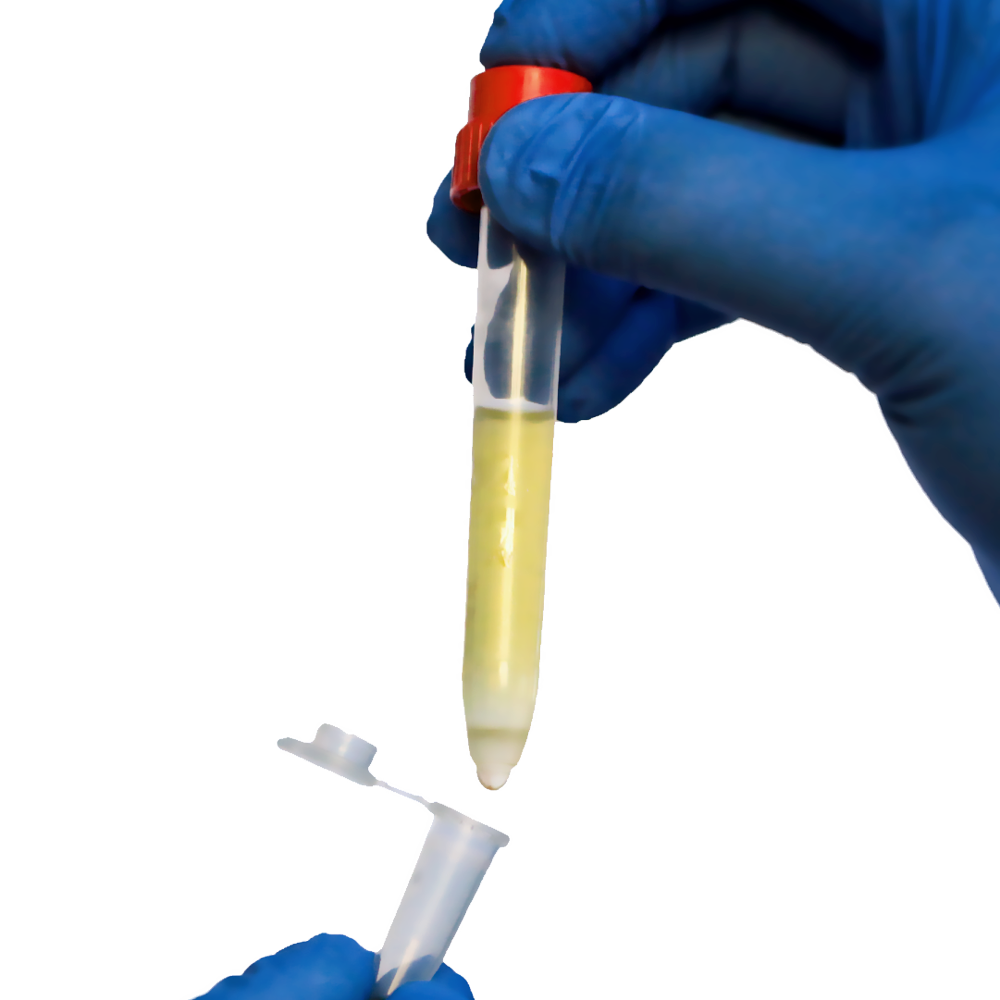
Filtration is a routine part of laboratory work, but the tools used for filtration can have a significant impact on workflow efficiency, operating costs, and sample quality. For many years, disposable filtration products have been the default choice for numerous applications because they offer convenience and require minimal maintenance. However, laboratory requirements are changing.
Today’s laboratories are processing more samples, handling increasingly complex materials, and placing greater emphasis on operational efficiency. As a result, researchers are looking beyond single-use solutions and evaluating alternatives that provide long-term value.
Reusable stainless steel filtration tools are becoming increasingly popular because they combine durability, versatility, and cost efficiency. Unlike disposable products that must be replaced regularly, reusable systems can support repeated use while maintaining reliable performance across multiple applications.
One example is the Steel Basket-Strainer, a stainless steel filtration device designed for liquid extraction, particle separation, and purification workflows. Built from non-magnetic SS 316 steel and designed for compatibility with standard laboratory tubes, it offers a practical solution for laboratories seeking a more durable approach to filtration. This article explores why reusable stainless steel filtration tools are gaining attention and how the Steel Basket-Strainer supports modern laboratory workflows.
The Challenges of Disposable Filtration Systems
Disposable filtration products remain widely used in laboratories, but their limitations become more apparent as sample volumes and workflow demands increase.
High Consumable Costs
Because disposable filters are designed for single use, laboratories must continuously purchase replacements. While the cost of an individual filter may be low, ongoing purchases can create significant long-term expenses, particularly in high-throughput environments.
Frequent Replacement Requirements
Single-use filtration devices require constant replenishment, leading to:
- Ongoing inventory management
- Regular procurement cycles
- Additional storage needs
- Potential workflow disruptions when supplies run low
Waste Generation
Each filtration run generates additional waste through discarded filters and packaging materials. As laboratories place greater emphasis on sustainability, reducing dependence on single-use products has become an important consideration.
Limitations in Demanding Applications
Disposable filtration systems are not always ideal for processing dense samples, high particle loads, or repetitive extraction workflows. These applications often require a more durable solution capable of maintaining performance under challenging conditions.
Together, these challenges are encouraging many laboratories to explore reusable filtration tools that offer greater durability, flexibility, and long-term value.
What Makes Stainless Steel Ideal for Laboratory Filtration?
The material used in a filtration device has a direct impact on its performance, durability, and lifespan. While many filtration products are manufactured from plastic or other lightweight materials, stainless steel offers several advantages that make it particularly well suited for laboratory applications.
As laboratories seek equipment that can withstand repeated use without compromising performance, stainless steel continues to gain attention as a reliable filtration material.
Mechanical Strength
Laboratory filtration often involves more than simply passing liquid through a mesh. Some applications require processing dense materials, extracting liquids from porous samples, or handling substantial particle loads. These conditions place stress on filtration devices.
Stainless steel provides the mechanical strength needed to maintain structural integrity during demanding workflows. Unlike weaker materials that may bend, deform, or wear down over time, stainless steel retains its shape and functionality through repeated use.
This strength becomes especially important when processing:
- Soil samples
- Sediment materials
- Dense biological samples
- Particle-rich suspensions
- Solid-liquid extraction workflows
The result is a filtration tool that remains dependable even under challenging laboratory conditions.
Resistance to Laboratory Conditions
Filtration devices are frequently exposed to a wide range of substances during routine laboratory work.
These may include:
- Water-based solutions
- Biological samples
- Solvents
- Extraction reagents
- Environmental materials
A filtration system must be able to tolerate these conditions without rapid deterioration. Stainless steel offers excellent resistance to laboratory environments, making it suitable for repeated exposure to a variety of sample types. This durability helps laboratories maintain consistent performance without the need for constant replacement.
Non-Magnetic SS 316 Construction
The Steel Basket-Strainer is manufactured from non-magnetic SS 316 stainless steel.
SS 316 is widely recognized for its strength and suitability for laboratory applications. Its combination of durability and chemical resistance makes it a preferred material in environments where equipment must perform consistently over long periods. The non-magnetic properties of SS 316 also make it suitable for laboratories that require compatibility with sensitive equipment and specialized workflows.
Suitability for Repeated Sterilization
One of the biggest advantages of stainless steel is its ability to withstand repeated sterilization procedures. Unlike many disposable products, stainless steel filtration devices can be prepared for reuse through:
- Heat sterilization
- Autoclaving
- Standard laboratory cleaning procedures
This capability allows laboratories to maintain cleanliness while extending the operational lifespan of the filtration tool. The ability to reuse the same device repeatedly makes stainless steel an attractive option for laboratories seeking both reliability and long-term efficiency.
Introducing the Steel Basket-Strainer
The Steel Basket-Strainer is a reusable filtration and extraction device designed for a broad range of laboratory applications involving particle separation, liquid extraction, and sample purification. Unlike many conventional filtration products, the Steel Basket-Strainer combines mechanical strength with a simple design that integrates easily into existing laboratory workflows. Constructed from non-magnetic SS 316 stainless steel, the device is designed to fit into a standard 50 ml laboratory tube.
Key specifications include:
- Length of 45 mm
- Capacity to retain approximately 20 ml of liquid
- Ability to process up to 30 g of solid material at 2,000 × g
- Reusable stainless steel construction
- Compatibility with heat sterilization and autoclaving
These characteristics make it suitable for laboratories that require a durable and versatile filtration tool capable of handling a variety of sample types. Rather than serving a single purpose, the Steel Basket-Strainer can support multiple extraction and separation workflows using the same device. This versatility is one of the reasons why reusable stainless steel filtration systems continue to gain popularity.
How the Steel Basket-Strainer Works
The Steel Basket-Strainer is designed as a gravity-based particle and liquid extraction device. Its simple operating principle allows it to perform several different laboratory functions without requiring complex equipment or specialized accessories.
Gravity-Based Liquid Extraction
One of the primary uses of the Steel Basket-Strainer is the extraction of liquids from porous sample materials. When a sample is placed within the basket, liquid can be separated from solid material through gravity or centrifugation-assisted workflows.
This enables researchers to recover liquid fractions efficiently while retaining larger particles within the basket structure.
Applications may include:
- Biological materials
- Environmental samples
- Plant-derived materials
- Porous laboratory specimens
Particle Separation
The Steel Basket-Strainer can also be used to separate particles from liquid samples. During processing, unwanted materials can be retained while the desired fraction is collected for further analysis or downstream applications.
This makes the device useful in workflows requiring:
- Sample cleanup
- Particle isolation
- Fraction collection
- Sample preparation
Because the basket maintains structural stability throughout the process, filtration remains consistent across repeated applications.
Sample Purification
Many laboratory workflows require removal of impurities before analysis. Large particles, debris, and unwanted materials can interfere with:
- Analytical measurements
- Sample preparation
- Extraction procedures
- Downstream workflows
The Steel Basket-Strainer helps simplify purification by providing a controlled separation step that removes unwanted components while preserving valuable material. This contributes to cleaner samples and more efficient workflow progression.
Solid-Liquid Extraction
Another important application involves extraction of solid materials using solvents or other liquids. In these workflows, the sample material is exposed to an extraction liquid that dissolves or releases target compounds.
The Steel Basket-Strainer facilitates separation between the extracted liquid and remaining solid material, simplifying collection and handling. This makes the device valuable for laboratories performing:
- Environmental extraction studies
- Sample preparation procedures
- Solvent-based workflows
- Material recovery applications
By supporting multiple separation and extraction approaches, the Steel Basket-Strainer offers laboratories a flexible reusable solution capable of adapting to diverse research needs.
Applications Where Steel Basket-Strainer Excels
One of the biggest strengths of the Steel Basket-Strainer is its versatility. Rather than being limited to a single workflow, it can support a wide variety of laboratory applications involving liquid extraction, particle separation, purification, and sample preparation.
Its durable stainless steel construction allows it to perform reliably across different research environments, making it a valuable tool for laboratories that work with diverse sample types.
Extraction of Liquids from Porous Materials
Many samples contain liquids trapped within porous structures. Recovering these liquids efficiently can be challenging when using conventional filtration tools. The Steel Basket-Strainer is particularly useful for extracting liquids from:
- Plant materials
- Biological specimens
- Environmental samples
- Porous laboratory materials
By separating liquid fractions from solid matrices, researchers can simplify sample preparation and improve recovery efficiency.
Particle Concentration Workflows
Some applications require the concentration of particles after liquid extraction. The Steel Basket-Strainer can support size-based particle concentration by retaining larger particles while allowing liquids and smaller components to pass through.
This capability is valuable in workflows involving:
- Environmental monitoring
- Sample fractionation
- Particle analysis
- Research involving particulate materials
Concentrating particles before analysis often improves workflow efficiency and simplifies downstream processing.
Removal of Large Impurities
Large contaminants can interfere with analytical procedures and reduce sample quality. These impurities may include:
- Debris
- Fibrous material
- Sediment fragments
- Undesired particulate matter
The Steel Basket-Strainer provides an effective separation step that helps remove these larger materials before additional processing takes place. This contributes to cleaner and more manageable samples.
Soil and Sediment Processing
Environmental research frequently involves samples that contain complex mixtures of solids, particles, and organic material. The Steel Basket-Strainer is well suited for:
- Soil extraction workflows
- Sediment processing
- Deposit analysis
- Environmental sample preparation
Its mechanical stability allows researchers to handle challenging sample materials without compromising filtration performance.
Solvent-Based Extraction Procedures
Many laboratory protocols rely on solvents to extract target compounds from solid materials. Following extraction, researchers must separate the liquid fraction from the remaining sample matrix. The Steel Basket-Strainer simplifies this process by providing a reusable separation tool that supports efficient collection of extracted material while retaining unwanted solids. This flexibility makes it useful across numerous extraction workflows.
Advantages of Using the Steel Basket-Strainer
The growing popularity of reusable stainless steel filtration tools is largely driven by the practical advantages they provide during routine laboratory operations. The Steel Basket-Strainer combines durability, versatility, and ease of maintenance in a single reusable device.
Reusable Design
Unlike disposable filtration products, the Steel Basket-Strainer is designed for repeated use. After cleaning and sterilization, it can be incorporated into future workflows without sacrificing performance.
This reusable design helps laboratories:
- Reduce recurring consumable purchases
- Lower waste generation
- Improve long-term operational efficiency
For facilities that perform frequent filtration procedures, these benefits can become substantial over time.
High Load Capacity
The Steel Basket-Strainer can process up to 30 g of solid material at 2,000 × g. This capability allows researchers to handle substantial sample quantities without requiring multiple filtration devices or repeated processing cycles. The result is a more streamlined workflow and improved productivity.
Mechanical Stability
Durability is one of the defining characteristics of the Steel Basket-Strainer. Its SS 316 stainless steel construction provides excellent mechanical stability during:
- Centrifugation procedures
- Extraction workflows
- Particle separation applications
- Repetitive laboratory use
This stability contributes to reliable performance across demanding applications.
Easy Cleaning and Maintenance
Reusable equipment must be practical to maintain. The Steel Basket-Strainer is designed for straightforward cleaning between uses, helping laboratories maintain cleanliness without introducing unnecessary complexity into workflow preparation. Simple maintenance supports efficient reuse while preserving device performance.
Heat Sterilization and Autoclave Compatibility
Sterility is essential in many laboratory environments. The Steel Basket-Strainer can be prepared for reuse through:
- Heat sterilization
- Autoclaving
These sterilization options allow laboratories to maintain appropriate cleanliness standards while maximizing the lifespan of the device.
Conclusion
Filtration remains a critical part of laboratory sample preparation, but the tools used for filtration are evolving. As laboratories process larger numbers of samples and seek more efficient workflows, reusable filtration solutions are becoming increasingly attractive alternatives to disposable systems.
While disposable products offer convenience, they also create ongoing costs, generate waste, and require continuous replacement. Reusable stainless steel filtration tools address many of these challenges by providing long-term durability, mechanical stability, and flexibility across multiple applications.
The Steel Basket-Strainer demonstrates how a well-designed reusable filtration device can support modern laboratory requirements. Its SS 316 stainless steel construction, compatibility with standard laboratory tubes, ability to handle substantial sample loads, and support for repeated sterilization make it a practical solution for liquid extraction, particle separation, and purification workflows.
As laboratories continue to focus on efficiency, sustainability, and cost-effective operations, reusable stainless steel filtration tools are likely to play an increasingly important role. The Steel Basket-Strainer offers a durable and versatile approach that helps researchers simplify sample preparation while maintaining reliable performance across a wide range of laboratory applications.
 English
 French
 German
 Spanish
 Belgium
 Italian
 Brazil
 Chinese Mandarin